Iraq Counts Votes in High-Stakes Election; Over 20M Cast Ballots
DID Press: Iraq’s sixth parliamentary elections since the fall of Saddam Hussein were held under highly sensitive conditions, with more than 20 million eligible voters participating. The elections are seen not only as shaping Baghdad’s political future but also as a decisive test of Iraq’s independence in decision-making amid external pressures, including threats from Washington.
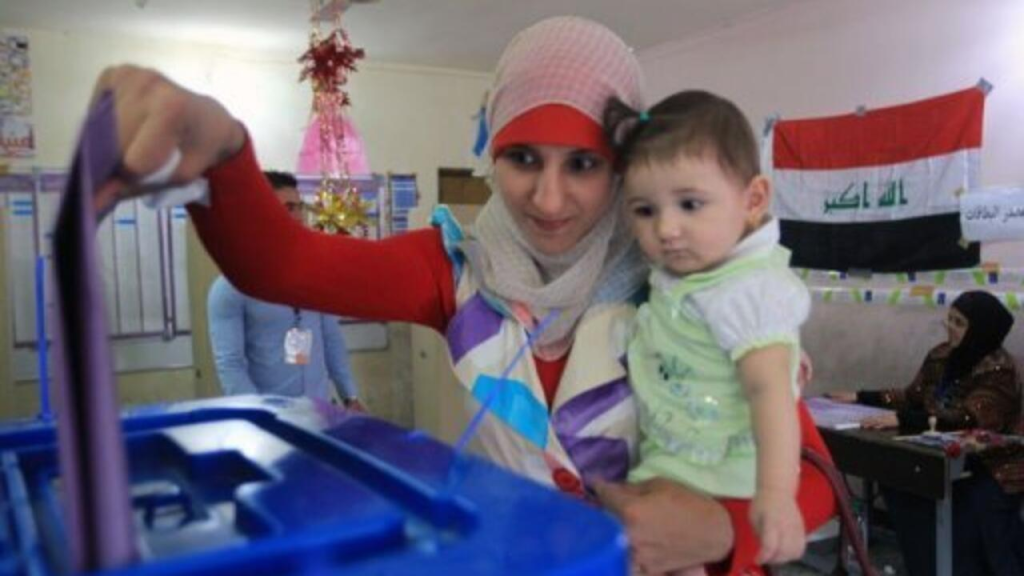
Amid heightened security measures and full preparedness of electoral bodies, Iraqis went to the polls yesterday for the parliamentary vote. According to the Independent High Electoral Commission of Iraq, over 20 million citizens cast ballots, and preliminary results are expected within 24 hours after polling stations close.
The elections come at a time when Iraq faces economic dissatisfaction, rising cost-of-living pressures, and growing geopolitical tensions. Observers note that the significance of this election goes beyond selecting new parliamentary representatives; it will determine the future government’s course, the fate of issues such as the Popular Mobilization Forces (PMF) law, the balance of power among Shiite, Sunni, and Kurdish parties, and even the political standing of Prime Minister Mohammed Shia’ Al-Sudani.
The boycott of elections by Muqtada al-Sadr, leader of the Sadrist movement, as a protest against what he calls “flawed elections” since 2022, has raised concerns about lower public turnout, particularly among Shiites. Some analysts reported relatively low participation in certain Shiite-dominated areas, though high voter engagement was observed in other districts.
Prominent political figures, including Nouri al-Maliki, Adel Abdul Mahdi, and Ammar al-Hakim, cast their votes early in the day. Maliki remarked briefly that “the results will bring us joy,” while Prime Minister Al-Sudani called the elections “a symbol of Iraqi democracy,” and al-Hakim emphasized that the vote “could lay the foundation for Iraq’s stability over the next 20 years.”
Meanwhile, Hadi al-Amiri, Secretary-General of the Badr Organization, expressed confidence in the electoral commission, stating: “Conducting this election is a major victory for the Iraqi people, and we expect the new government to form as soon as possible.” Responding to recent U.S. threats of economic sanctions should resistance-aligned groups succeed, he said: “Let them go to hell; we will not allow any foreign interference in the formation of the next government.”
The final results of these elections could reshape Iraq’s trajectory for the coming years and alter the balance of power across the region.