Afghanistan, Iran Urged to Cooperate on Water Management amid Climate Change
DID Press: As climate change intensifies across the region, Afghanistan and Iran face mounting environmental and humanitarian challenges tied to declining rainfall, rising temperatures, and the drying of rivers and wetlands. Experts say the two neighbors must move toward broader cooperation in water management to secure long-term stability and sustainability.
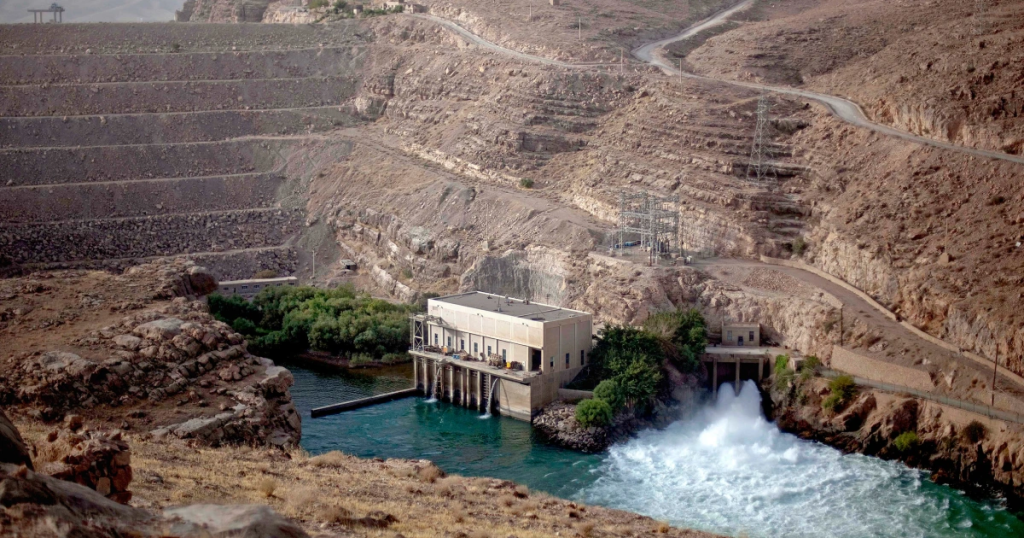
The Helmand River basin, a critical water source for both countries, has suffered from years of drought, reduced inflows, and falling reservoir levels at the Kajaki Dam. Iran continues to insist on the full implementation of the 1973 Helmand Water Treaty, while the Taliban administration maintains that it remains committed to the accord but cannot release more water due to severe climatic realities.
Environmental analysts argue that the problem lies not in political will but in dwindling natural resources. Shrinking rainfall, persistent droughts, and expanding agricultural and urban demand have strained water supplies on both sides of the border.
Wetlands, including the Chah-Nimeh reservoirs in Iran’s Sistan region, play a vital ecological role as “the lungs of nature.” Their restoration, along with improved irrigation infrastructure and basin-wide water management, could help prevent waste and stabilize ecosystems.
Experts urge the reactivation of joint technical committees, exchange of meteorological data, regional research projects, and investment in sustainable water infrastructure. Such measures, they say, would strengthen trust and lay the foundation for long-term cooperation.
“Nature recognizes no borders,” the article concludes. “Just as winds and rains move freely across our lands, human wisdom must transcend political boundaries. The shared future of our region depends on partnership, dialogue, and mutual trust.”
By Sayed Ayub Hussaini – DID Press Agency