Chabahar Port Emerges as Key Transit Alternative for Afghanistan
DID Press: Afghanistan’s trade with Iran reached $1.6 billion over the past six months, surpassing trade with Pakistan by half a billion dollars during the same period, according to Abdulsalam Jawad Akhundzada, spokesperson for the Ministry of Commerce. The figures signal a gradual but decisive shift in the country’s trade orientation.
Iranian customs incentives, including 30% reductions in port tariffs and 75% lower cargo protection fees for Afghanistan traders, have created an attractive environment for business operators. This facilitative approach contrasts sharply with the bureaucratic hurdles and high tariffs at Pakistani ports, highlighting how economic cooperation can be built on mutual benefits without political leverage.
The move aligns with Mullah Abdul Ghani Baradar’s call for Afghan traders to explore alternative transit routes, reflecting a deeper understanding of the need to diversify the country’s economic arteries. Decades of experience show that Islamabad’s trade practices often follow political calculations. Temporary border closures during diplomatic tensions, arbitrary tariff increases, and unpredictable restrictions on transit goods illustrate how trade has been politicized, causing losses for Afghan traders and undermining confidence in sustainable economic relations.
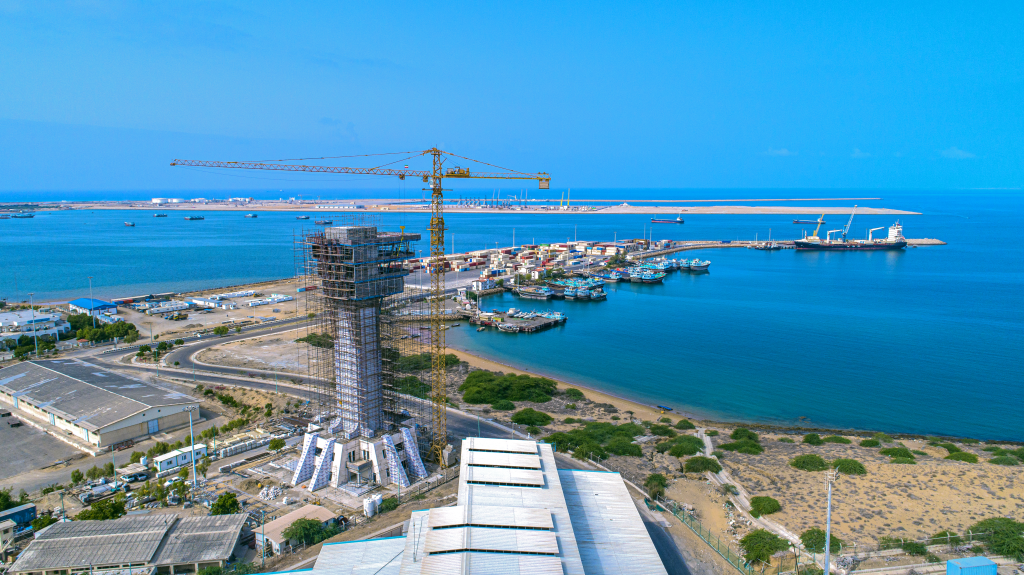
In contrast, relatively stable trade relations with Tehran offer Afghanistan a strategic opportunity to reduce economic vulnerabilities. Chabahar Port not only provides access to open waters but also serves as a bridge to Central Asian, Chinese, and Indian markets. Its geographic position, combined with developing infrastructure, can free Afghanistan from southern trade dependency and enhance Kabul’s bargaining power in regional negotiations.
Recent reports suggest that Kabul’s increasing focus on Chabahar is part of a strategic shift in economic policy that could redefine regional transit dynamics. Expanding air corridors and strengthening ties with Central Asian nations are also elements of this diversification strategy. Relying solely on one transit route not only poses economic security risks but also exposes the country to political pressure. Past experience has shown that balanced trade relations are a prerequisite for maintaining economic independence.
Afghanistan now faces a pivotal moment to prioritize investment in Chabahar’s transit infrastructure. This step represents not only an economic opening but also a declaration of independence in commercial decision-making.
By Rahmatullah Enayati – DID Press Agency