US Pressuring Lebanon to Submit to Israel; Hezbollah says “Never”
DID Press: Lebanese newspaper Al-Nashra reported that the United States, aligning with Israel, has urged Lebanon to follow Syria’s example and submit to Tel Aviv. Amid political divisions in Beirut, Hezbollah has reaffirmed its stance, saying it will never put down its weapons or resolve under external pressure.
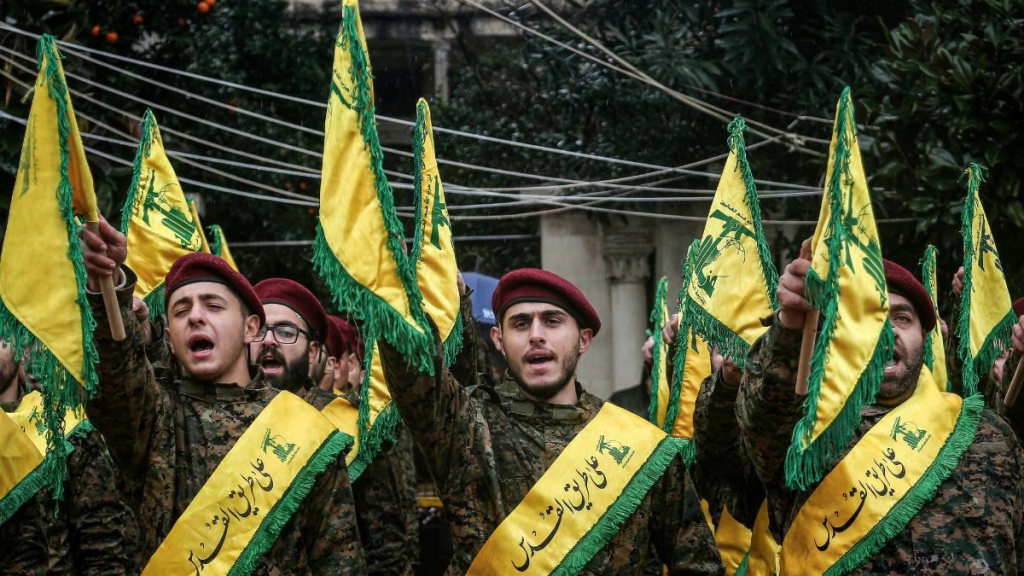
According to Al-Nashra, Washington—long attempting to distinguish between the Lebanese Army and Hezbollah—has shifted its approach, demanding the group’s disarmament at any cost. The cancellation of a planned visit to Washington by Lebanese Army Commander General Rudolf Hickel is viewed as a clear signal of this policy shift, surpassing a mere diplomatic formality and indicating overt U.S. support for Israel.
The newspaper adds that U.S. insistence on linking military aid to Lebanon with political and security restrictions on Hezbollah represents a shift from the previous strategy of “contain Hezbollah through state support” to one demanding full Lebanese submission to Israel. Senator Lindsey Graham has also discussed a potential defense agreement between Washington and Beirut, remarks analysts consider more symbolic than substantive.
In response, Hezbollah reaffirmed its resistance policy. A deputy head of the group’s political office told Al Jazeera Mubasher: “No matter how much pressure the enemy applies, we will not relinquish our weapons or positions.” He added that Israel, after failing to defeat Palestinian resistance, has intensified incursions in southern Lebanon, including using banned cluster munitions.
Reports indicate that during Lebanon’s recent 13-month conflict, Israel deployed over two types of banned cluster bombs and violated ceasefire agreements with Hezbollah more than 5,000 times. Experts warn that these weapons pose serious threats to civilians and constitute blatant breaches of humanitarian principles.
Lebanese analysts argue that national unity remains Lebanon’s only safeguard, echoing the successful resistance campaigns of 2000 and 2006. Internal divisions today could embolden adversaries and leave Lebanon increasingly vulnerable.