Housing Crisis in Afghanistan amid Soaring Rents, Returning Migrants
DID Press: Statistics reveal a worrying trend. In major cities such as Kabul, Herat, Mazar-e-Sharif, and Nangarhar, rental prices have doubled over the past year. Residential units that previously rented for 5,000 to 6,000 Afghanis now cost 10,000 to 12,000 Afghanis.
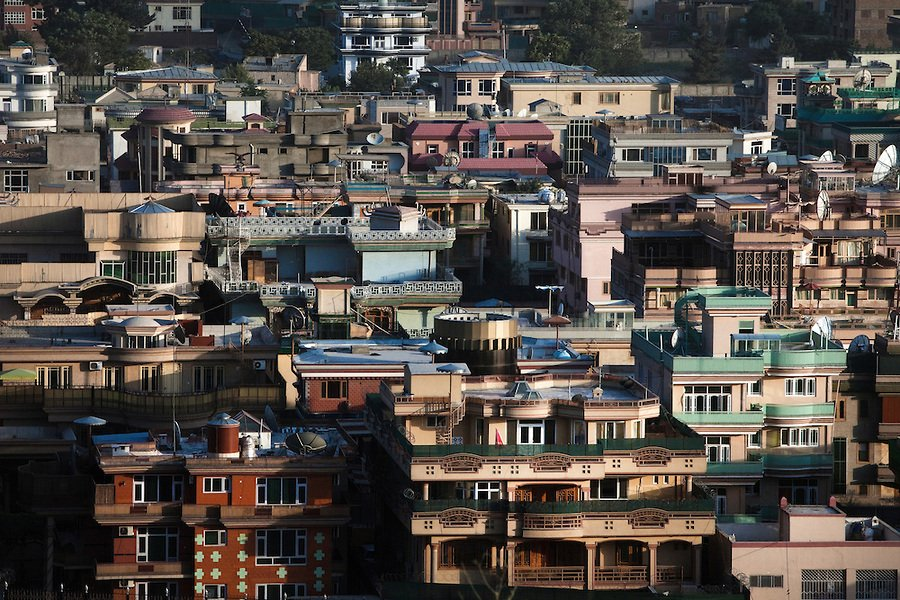
The recent wave of returning migrants has created a deep and concerning crisis in the housing market. The sudden spike in demand, combined with a lack of institutional oversight, has pushed rents to unprecedented levels, trapping thousands of families in severe economic pressure. This situation, largely rooted in a policy vacuum, economic stagnation, and weak regulatory structures, has become one of the country’s most prominent socio-economic challenges.
The demand surge has coincided with a structurally stagnant housing market. Construction projects have stalled, investment in housing has declined, and the supply chain for building materials has collapsed, reducing the availability of new units to a minimum. In this environment, landlords have exploited the supply-demand gap, imposing arbitrary prices, while regulatory bodies remain largely silent.
The Taliban’s Ministry of Justice had previously promised to monitor the rental market, but this commitment has yet to materialize. The lack of transparent pricing mechanisms and weak enforcement of regulations have created a chaotic pricing environment. This regulatory gap is particularly alarming as the country approaches winter, leaving thousands of returning and vulnerable families at risk of homelessness.
Short-term and long-term solutions require strong political will and coordinated institutional action. In the near term, financial support for vulnerable households and stricter monitoring of rental transactions could provide temporary relief. In the long term, reviving the construction industry, developing residential complexes, and mobilizing international aid for social housing programs are essential.
The current crisis is more than an economic issue; it reflects the gap between government policies and the social realities of Afghan society. Returning migrants who came home with hope for a better future now face a wall of despair. Addressing this housing crisis is critical not only for social stability but also for preserving human dignity and preventing a new cycle of forced migration.
By Ahmad Zaki Nawisa, DID Press Agency