Pakistani Diplomats Warn Taliban ‘On Path Toward Regime Change’
DID Press: At an expert panel in Islamabad, two former senior Pakistani diplomats warned that the Taliban’s broad failures in governance, mounting regional isolation, and the resurgence of northern resistance movements are pushing Afghanistan toward a “regime change” scenario. They said the continuation of current Taliban policies threatens regional security and strengthens armed opposition groups.
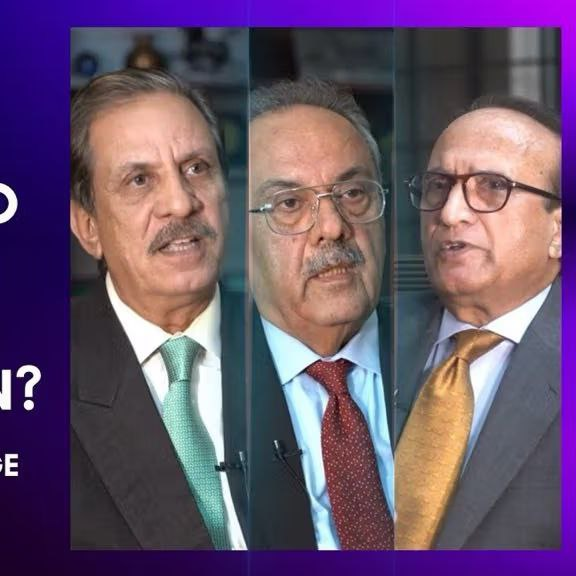
Speaking at the roundtable on Afghanistan’s political outlook, Asif Durrani, Pakistan’s former special envoy for Afghanistan, said the Taliban are “practically paving the way for regime change through their own actions.” He noted that resistance groups in the north—particularly in Badakhshan—have become active again, while internal opposition among non-Pashtun communities is also growing.
Durrani said the Taliban have failed in governance, economic management, social affairs, and counterterrorism, leading to deeper isolation from neighboring states and the broader international community. He added that the Taliban’s treatment of women—barring them from education and employment—has been a major driver of their global isolation.
The former diplomat also warned that Afghan Taliban support for Tehrik-e-Taliban Pakistan (TTP) poses a serious threat to security in South and Central Asia.
Amjad Ali Sher, Pakistan’s former ambassador to Cambodia, said the National Resistance Front–affiliated Freedom Front led by Yasin Zia maintains a presence in the north and in Badakhshan. Although contained so far, he said “this is only the beginning” and that efforts aimed at regime change “will continue.” He noted that Badakhshan’s geography—bordering Tajikistan, China, and Pakistan—makes it a focal point for regional security competition.
Speakers said rising tensions between Pakistan and the Taliban have shifted Islamabad’s rhetoric, with officials increasingly using the term “Taliban regime” instead of “interim government.” Pakistan maintains that the Taliban lack domestic and regional legitimacy and have deepened Afghanistan’s political crisis by excluding ethnic groups, minorities, and women from power.
According to the diplomats’ assessment, the three recent rounds of talks between Islamabad and the Taliban ended without progress. The Taliban refused to provide written assurances on TTP, issue a religious decree against the group’s war in Pakistan, or hand over TTP leaders. The Taliban insist the TTP issue is “Pakistan’s internal problem.”
Following border closures, the Taliban restricted pharmaceutical imports from Pakistan and have been negotiating with India to replace Pakistani goods. However, the former diplomats argued that India cannot substitute Afghanistan’s trade with Pakistan due to the lack of a direct border and sanctions affecting the Chabahar port route.
The panel took place amid extensive Pakistani media speculation in recent months about the possibility of regime change in Afghanistan—an issue gaining new momentum as Kabul–Islamabad relations continue to deteriorate.