Afghanistan Exports Rise 13% Despite Pakistan Border Closure
DID Press: Despite Pakistan’s continued closure of key border crossings, Afghanistan’s exports grew by 13 percent in October, as Afghan traders opened new routes to India and Iran. Rising demand from neighboring countries and the strategic management of alternative corridors played a central role in this export boost.
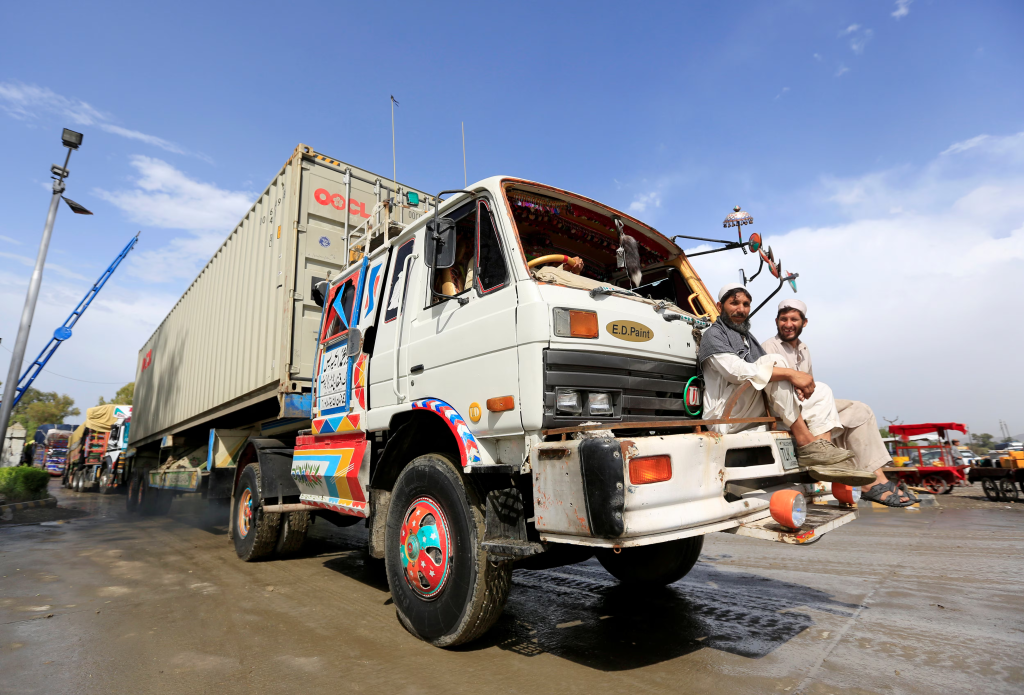
According to the World Bank, Afghanistan’s exports in October increased by 13 percent compared to September, even though border points with Pakistan remained shut. This growth was largely driven by Afghan traders shifting their export routes toward India and Iran, along with higher demand for agricultural goods in the region.
Exports of Afghan food products reached 238.4 million USD in October, marking an annual increase of 8.6 percent. In the first seven months of the 2025 fiscal year, this sector saw more than 22 percent growth. However, coal exports declined due to the disruption of transit routes through Pakistan.
Afghanistan’s total exports in the first seven months of FY2025 reached 1.1 billion USD—up 10 percent from the previous year. India accounted for 50 percent of Afghanistan’s exports, making it the country’s largest export destination.
Imports during the same period also exceeded 1.1 billion USD, rising 2 percent from September and showing a 21 percent annual increase. A 45 percent surge in raw material imports indicates expanding industrial activity inside the country.
The World Bank highlighted key pressures on Afghanistan’s economy, including the return of migrants, recent earthquakes, internet disruptions, and shifting regional priorities.
Meanwhile, the Taliban government and Iran have agreed to strengthen infrastructure and expand trade volume. This includes establishing a new land route at the Milak border crossing and aiming to increase bilateral trade to 10 billion USD, with Chabahar Port positioned as a major gateway for Afghan commerce.
Additionally, on the sidelines of the Imam Abu Hanifa International Exhibition in Kabul, private sectors from Iran and Afghanistan signed contracts worth 140 million USD, including construction projects and the development of a 100-megawatt solar power plant.
These developments show that by managing alternative trade routes and expanding regional cooperation, Afghanistan has successfully maintained export growth while reducing its long-standing dependence on Pakistan’s transit corridors.