Afghanistan Women: From Silent Wounds to Brighter Tomorrow
DID Press: November 25 is not just a date on the calendar; it serves as a reminder to examine the complex layers of violence and restrictions that, though often unseen, have profoundly affected the lives of Afghan women.
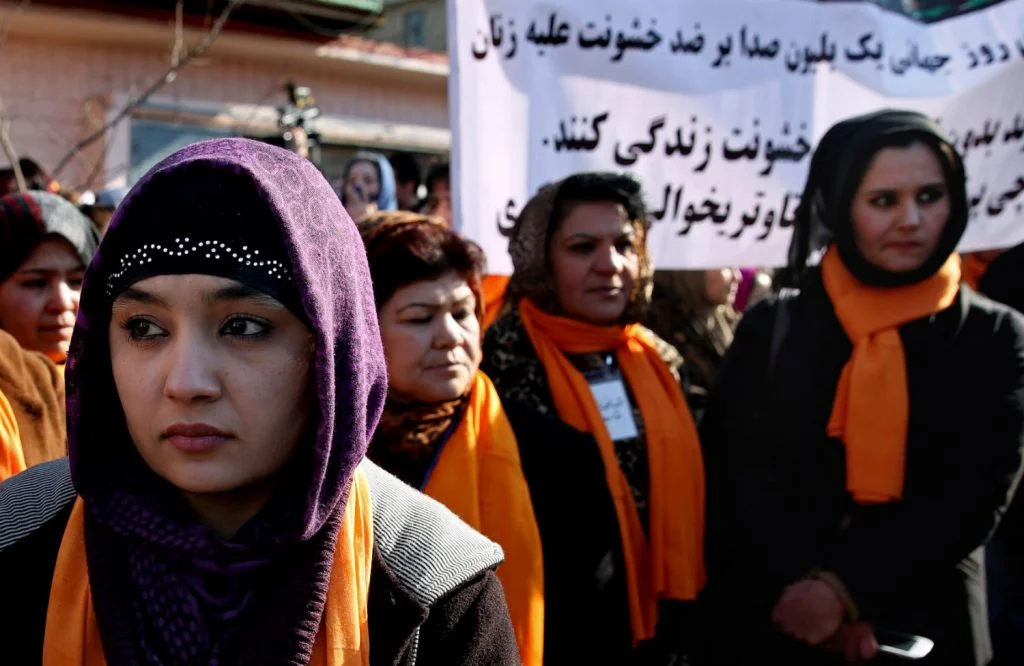
Since the Taliban’s return to power, Afghan women have faced a series of limitations impacting daily life, education, employment, and public participation. These restrictions have significant psychological and social consequences.
Educational and occupational deprivation, restricted mobility, and limited public presence have imposed severe mental strain on women. Reports indicate rising levels of depression, anxiety, sleep disorders, and diminished self-confidence among those affected.
Structural barriers have stripped many women of the ability to actively participate in society, affecting both their individual and social identities. Domestic violence remains a critical challenge, with numerous women lacking access to reporting mechanisms or support systems, further exacerbating stress and insecurity.
The psychological impact of these limitations extends beyond individual women, affecting family and community well-being.
In Afghanistan, girls are barred from formal schooling beyond the sixth grade, and universities remain largely inaccessible. Many women employees have been prohibited from government offices and economic activities, while female-led businesses face restrictions that reduce women’s financial independence.
Beyond education and employment, mobility restrictions and public limitations constitute another harsh reality. Requirements to be accompanied by a male guardian when leaving home, mandatory dress codes, and limited media participation have virtually erased women’s presence in public life. These constraints have reshaped women’s social roles and curtailed their involvement in household and community decision-making.
The consequences extend beyond women themselves. Reduced female participation in education and the economy threatens Afghanistan’s long-term development, sidelining a significant portion of the country’s human potential and capacity for growth.
International reports and NGOs recommend measures such as creating safe reporting channels for violence, providing psychological support, offering alternative educational opportunities, and promoting women’s economic independence. Expanding women’s access to media and social participation can also help mitigate the impact of these restrictions.
Afghan women have the potential to move from silent victims to beacons of hope for their country—but this requires active support and opportunities to realize their potential, keeping the light of hope alive for Afghanistan’s future.
This day serves as a reminder that society must not ignore the silent wounds of women. Instead, tangible action is needed to support a generation currently suffering in quiet, paving the way for a just and equitable life.
Report by: Zahra Hussaini — DID Press Agency