Conflicting Claims after Deadly Pakistan Strikes on Afghan Provinces
DID Press: Amid escalating border tensions between Kabul and Islamabad, Pakistan’s Monday-night airstrikes on Khost, Paktika, and Kunar provinces have reignited debate over the nature of the targets and the identities of those killed. Taliban authorities claim “civilians” were among the dead, while other sources report that the strikes targeted members of Jamaat al-Ahrar, an offshoot of the Tehrik-e-Taliban Pakistan (TTP) believed to be closely aligned with the Haqqani network. The ambiguity has shifted attention from the battlefield to competing narratives.
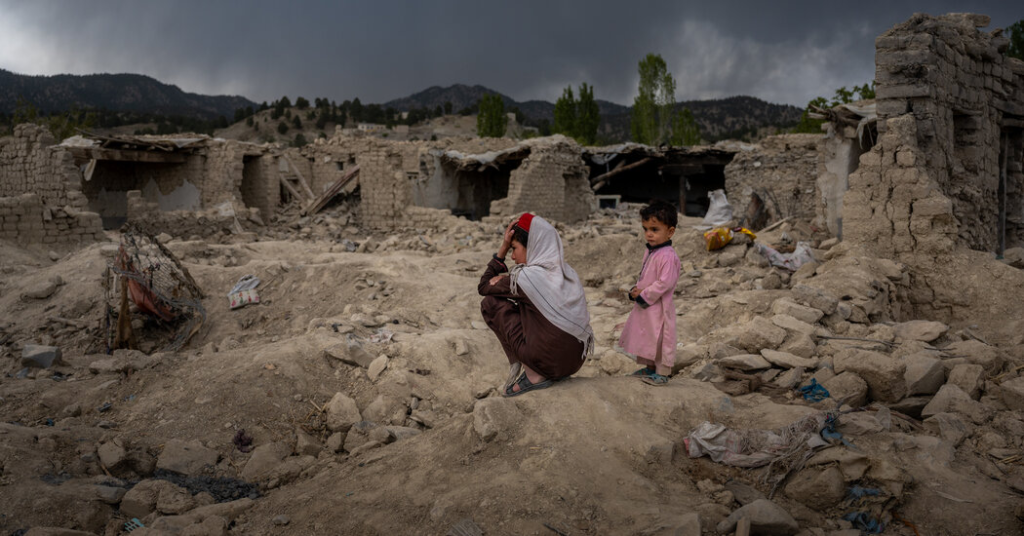
The latest Pakistani strikes on Afghanistan’s border regions late Monday, November 25, mark one of the most serious spikes in tension between the two countries in recent months. Taliban officials say Pakistani jets struck residential homes in Khost, Paktika, and Kunar, killing “civilians”—mostly women and children.
Images circulated by Taliban authorities show the bodies of children killed in the attacks—disturbing scenes that have triggered widespread reactions across social media and political circles. The Taliban government condemned the strikes as a “clear violation of Afghanistan’s sovereignty and a crime against civilians.”
A conflicting trend, however, is also gaining traction. Some security and local sources claim the actual targets were members of Jamaat al-Ahrar, a splinter faction of the TTP. The group, which in recent years has realigned with the TTP, is believed to operate in areas under the influence of the Haqqani network in eastern Afghanistan.
According to these sources, several low-ranking members of Jamaat al-Ahrar were killed or wounded in the operation, though no senior commanders appear to be among the casualties. Reports have also suggested that recent terrorist attacks inside Pakistan were planned or executed by the same group—an allegation that may explain Islamabad’s motive for the airstrikes.
The Taliban government, for its part, has offered no clarity on the exact identities of the victims—neither confirming whether they were Afghan civilians nor addressing the possibility that some of those killed may have been families of TTP fighters or Pakistani militants known as the “Waziristani migrants,” who have settled in eastern Afghanistan in recent years. Previous Pakistani operations have also reportedly targeted these communities.
As tensions escalate, UNAMA mission has intensified its engagement, reiterating the international community’s call for the protection of civilians. Global organizations remain concerned about ongoing retaliatory strikes and the absence of clear mechanisms to distinguish military from civilian targets—an issue both sides are under pressure to address.
While Kabul and Islamabad continue to accuse each other of supporting “terrorism,” Afghanistan’s border regions are increasingly becoming a battleground for the two countries’ clashing security interests—a landscape where civilians often bear the greatest cost, and competing narratives deepen the uncertainty.
Whether the latest strikes form part of a new Pakistani deterrence strategy or a one-off response remains unclear. What is certain, however, is that Afghanistan–Pakistan border tensions have entered a phase where even minor miscalculations could carry far broader regional security implications.