Jailing Bamdad: From Cultural Silencing to Int’l Costs for Taliban
DID Press: The arrest of a poet like Sayed Sikandar Hussaini Bamdad signifies the removal of figures who reflect the collective memory and cultural conscience of society. With this action, the Taliban government not only targets critical and independent narratives but also destroys the symbolic spiritual capital of Afghanistan society. Poets like Bamdad play a key role in sustaining national identity, preserving language and culture, and strengthening the authentic narratives of the Afghanistan people.
Cultural Silencing and International Costs
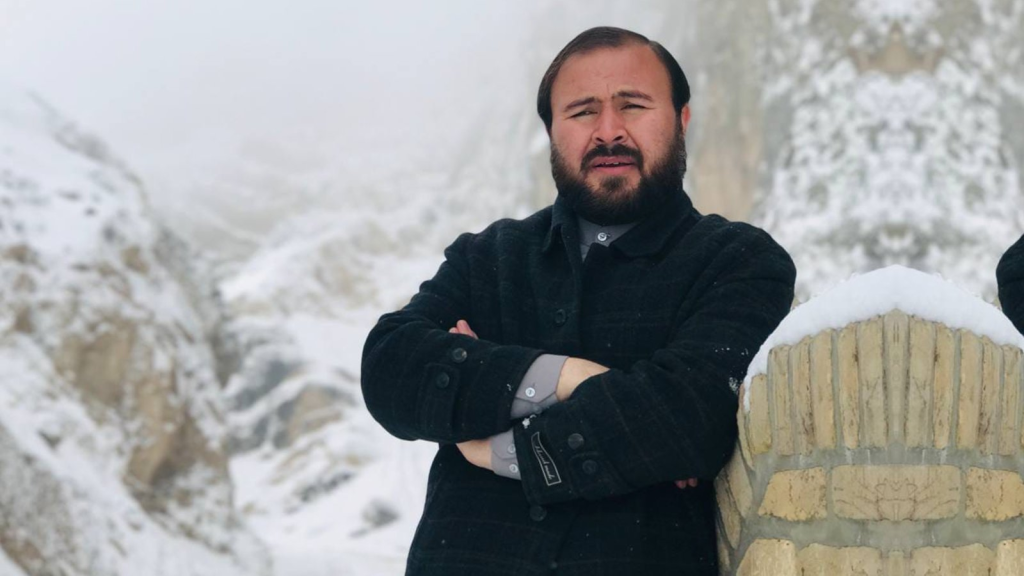
Following the arrest of Sayed Sikandar Hussaini Bamdad, a well-known Afghan poet and intellectual, the issues of freedom of expression, cultural security, and the costs of repression for the ruling structures have again come to public attention. This event is not merely a simple arrest but a clear manifestation of the increasing trend of silencing cultural and identity-shaping voices in Afghan society. Bamdad’s arrest occurs in a context where the country’s cultural space is under severe pressure from censorship, intimidation, and the gradual elimination of cultural symbols. From this perspective, media and analytical coverage must go beyond reporting an individual incident and focus on the cultural, social, and international consequences of the event.
Cultural Dimension
The arrest of a poet like Sayed Sikandar Hussaini Bamdad means the elimination of figures who reflect the collective memory and cultural conscience of society. By taking this action, the Taliban not only target critical and independent narratives but also destroy symbolic spiritual assets of society. Poets like Bamdad play a crucial role in sustaining national identity, protecting language and culture, and strengthening authentic narratives. Suppressing such voices is a direct blow to cultural heritage and the shared identity of the people, ultimately depriving society of its intellectual and spiritual pillars.
Social Dimension
The social consequences are even more concerning. Arresting writers and cultural figures injects fear and mistrust into the community, expanding self-censorship. When even non-political, cultural figures face threats, people naturally refrain from expressing critical ideas, whether political or non-political. The result is forced silence and social indifference, a condition that alienates the population from governance and hinders any path toward reform.
International Implications
Internationally, this action carries significant costs for the Taliban regime. Arresting poets and cultural figures highlights the Taliban as a government opposed to culture, free expression, and human rights. International organizations, human rights bodies, and regional and global media are sensitive to such incidents. Bamdad’s arrest can be seen as part of a global campaign against cultural rights violations in Afghanistan, further undermining the legitimacy claimed by the Taliban.
Meanwhile, Bamdad’s enforced absence has paradoxically increased his presence in public consciousness and online platforms, exponentially amplifying his cultural and literary impact. Highlighting his personal narrative and sharing his works publicly strengthens cultural solidarity and counters the imposed silence. Campaigns, targeted hashtags, posters, short videos, and analytical reports advocating for Bamdad’s freedom have already entered the digital space, turning this case into a social and legal issue.
Additionally, unified advocacy stressing Bamdad’s non-political status, the illegality of his detention, the need for Taliban accountability, family visitation rights, and the connection of his arrest to the regime’s anti-Persian policies have become effective elements of media discourse, placing the Taliban under intense public scrutiny.
All these factors indicate that Bamdad’s detention has not stopped the cycle of justice-seeking activism; rather, it has triggered a resurgence of long-accumulated movements now coming to the fore. The event imposes substantial domestic and international costs on the Taliban regime.
In conclusion, the arrest of Sayed Sikandar Hussaini Bamdad is not just a security matter but a test for Afghanistan’s cultural, media, and civil society. Turning this event into a widespread demand can increase the cost of repression for the Taliban and prevent future self-censorship.
Therefore, political wisdom and forward-looking rationality demand that the Taliban avoid cultural suppression of poets and cultural figures who are clearly non-political, and act with greater tolerance.
It is also essential that, alongside providing transparent explanations of any charges justifying such detentions or abductions, Bamdad and others in similar situations must be released immediately and unconditionally.
By Mohsen Mowahed – DID Press Agency
#FreeSikandarHussaini
#PoetsForFreedom
#JusticeForSikandar
#VoicesCannotBeSilenced
#PoetryIsNotACrime