Experts Warn Iran’s Afghan Migrant Policy Fuels Systemic Exclusion
DID Press: Tehran this week hosted the 25th expert session of the Rahel Association, focusing on “Afghan Migrants as a Complex Social Issue in Iran.” Experts at the gathering argued that the structural exclusion of Afghan migrants stems from the absence of institutional rationality, unstable policymaking, and the persistent neglect of the social realities of Afghanistan-born communities in Iran.
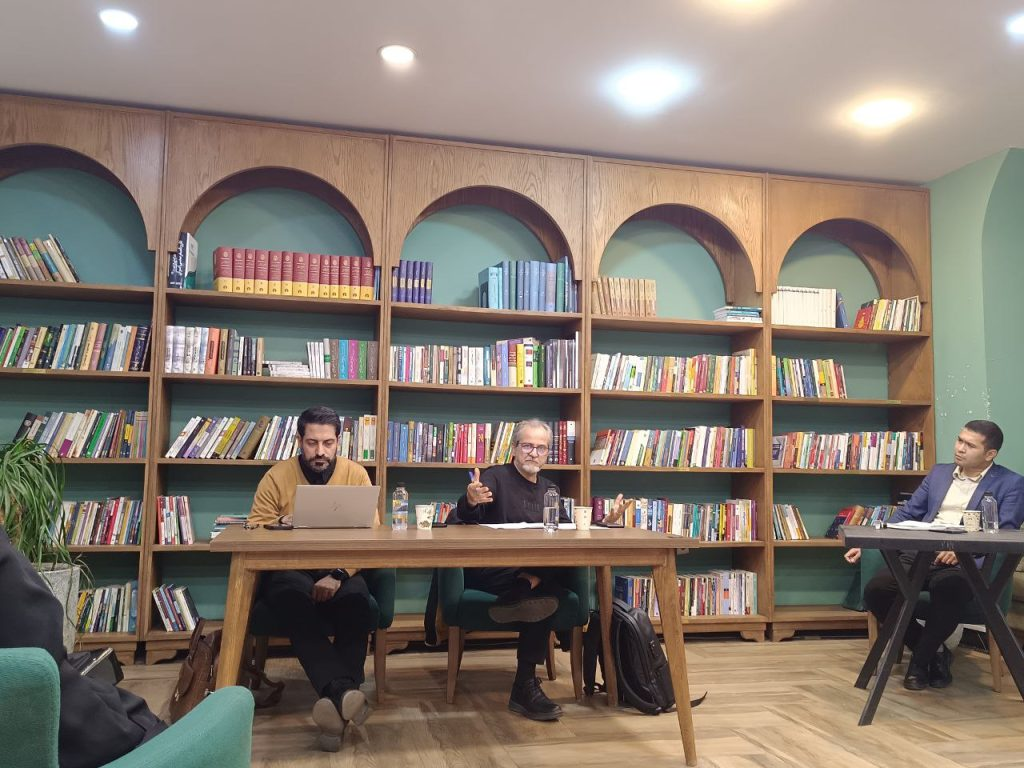
The session, titled “Situational Analysis of Afghan Migrants in Iran,” was held Wednesday evening, 12 Qaws 1404, at the House of Thinkers in Tehran and moderated by Jafar Soltani, head of the Rahel Association’s Economic Working Group. Soltani began by outlining a framework drawn from complex systems theory, posing a central question:
“If complex systems seek adaptation and survival, why have the systems of the Afghan migrant community and Iranian society reached incompatibility—and ultimately exclusion?”
Diversity Within the Migrant Community
Dr. Mehrdad Arabestani, anthropologist and faculty member at the University of Tehran, delivered the first presentation. Emphasizing the multilayered nature of the Afghan migrant population, he stated:
“We are not dealing with a homogenous whole. The gap between a third- or fourth-generation migrant integrated into Iranian culture and a newly arrived migrant living with a minimal livelihood horizon is no less than the difference between an Iranian and a foreigner.”
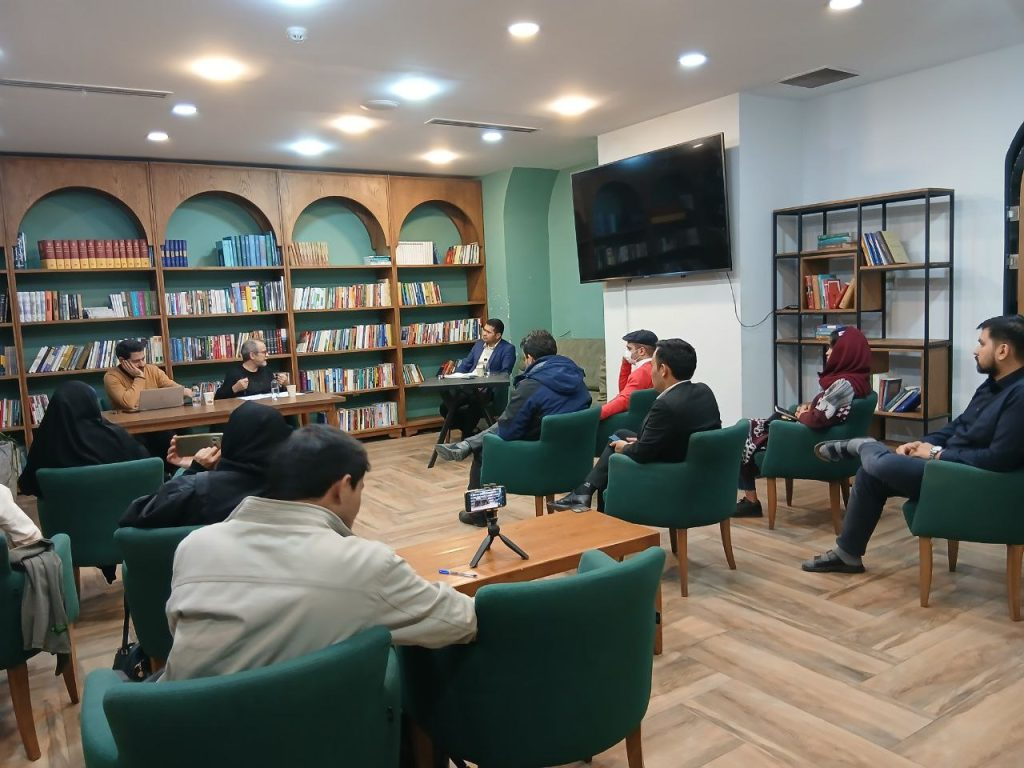
Arabestani argued that the “lack of institutional rationality in policymaking” is the primary driver of incompatibility.
He added:
“Acknowledging that the Afghanistan-born population is now an inseparable part of Iran is the starting point for any adaptive policy. Unless normative pathways for their social mobility are created, the cycle of exclusion will continue.”
Ambiguous Policies as a Tool of Exclusion
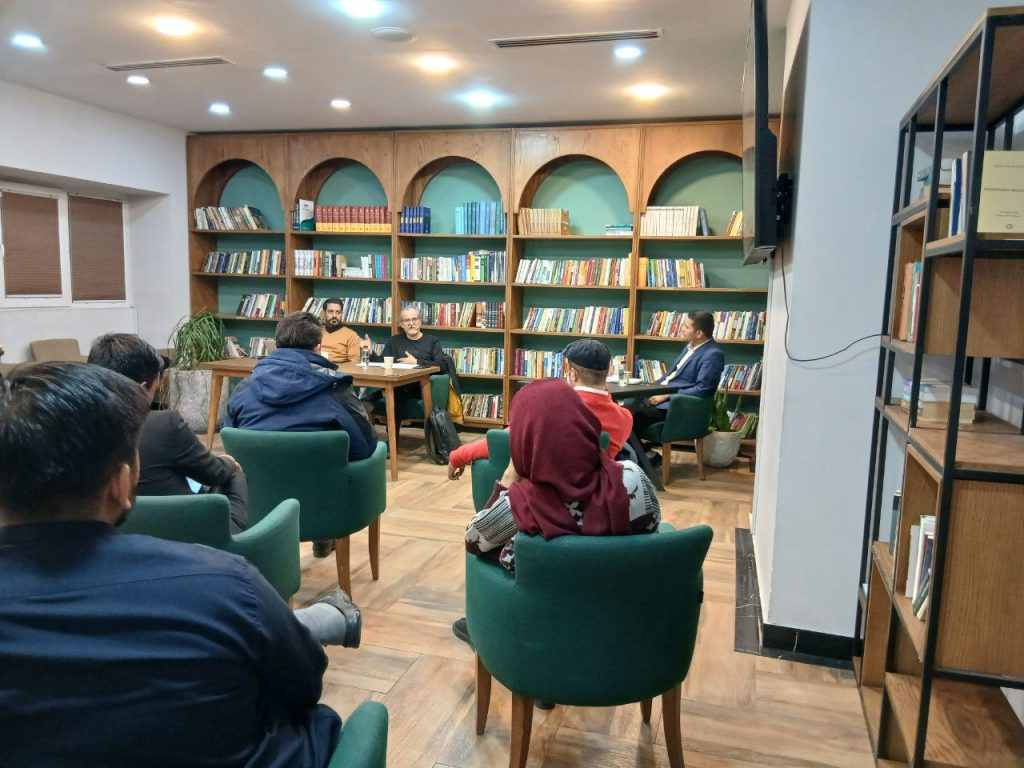
Dr. Hossein Mirzaei, anthropologist and faculty member at Allameh Tabataba’i University, approached the issue from a historical and political perspective. He described the exclusion of Afghan migrants as a “multidimensional phenomenon” and explained:
“Ambiguity in residency and education laws functions as a policy in itself—it benefits certain groups. In times of economic crisis, migrants become the easiest scapegoats to mask systemic inefficiencies.”
To break this deadlock, Mirzaei outlined four core solutions:
- Reform and clarification of residency laws
- Formal integration programs and civic education
- Revisions to educational and employment restrictions
- Media reform and strengthened two-way public awareness
Citing demographic data, he warned that continued exclusionary policies will leave Iran facing a significant labor shortage in the near future.
Shared Culture, Persistent Tensions
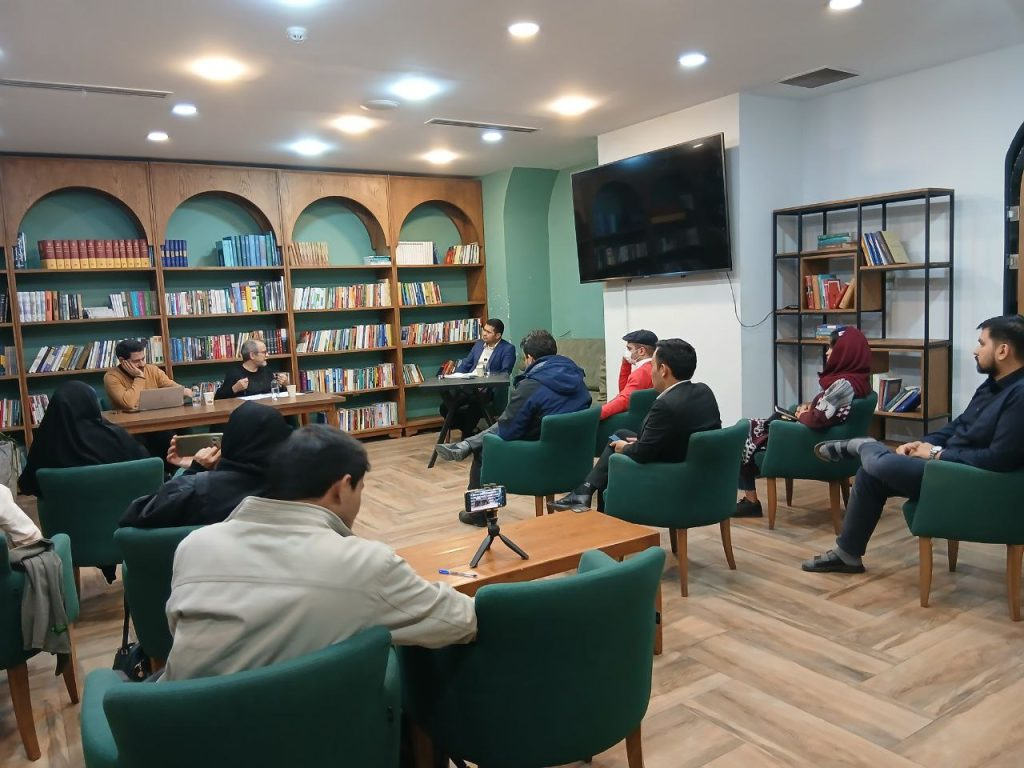
During the discussion, Soltani asked:
“Given shared historical and cultural foundations, how can these similarities become a platform for a cooperative discourse between the two communities?”
Arabestani agreed on the importance of shared language and historical experience but cautioned:
“These commonalities are not solutions in themselves. Differences in kinship structures, values, and even modern legal frameworks cannot be ignored. Recognizing both similarities and differences is the prerequisite for any genuine dialogue.”
Conclusion
The session demonstrated—through overlapping anthropological and sociological analysis—that the Afghan migrant issue in Iran cannot be addressed through short-term or simplistic solutions. Breaking the entrenched cycle of exclusion requires political will to accept the complex social reality, replace ambiguity with legal clarity, and invest in fair integration as the only rational long-term strategy.
Maintaining the current trajectory is not a solution; it is fuel quietly accumulating beneath the ashes of Iran’s future crises.