Tehran–Kabul Academic Ties: A New Path for Cooperation Amid Challenges
Did Press: Academic engagement with Iran can generate impacts that go far beyond education alone. Strengthening academic and research capacities— even within existing constraints—can create new employment opportunities for Afghan students and scholars and keep the academic community active. At the same time, cooperation with Iran may help portray the Taliban government as a more engagement-oriented actor in the region, potentially improving diplomatic relations with neighboring countries.
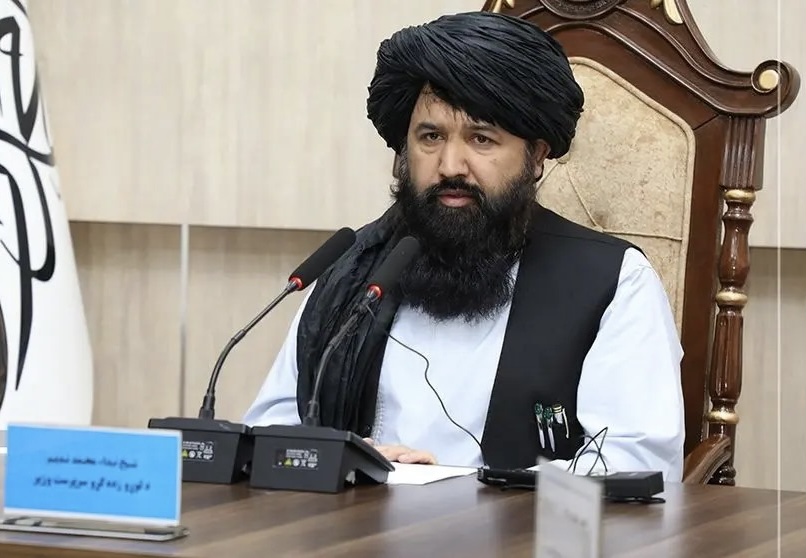
The official visit of Nada Mohammad Nadim, the Taliban’s Minister of Higher Education, to Tehran marks an important step toward expanding academic and university cooperation between Afghanistan and Iran. This trip is not only diplomatic but also a strategic opportunity to revive Afghanistan’s higher education sector, which has faced severe limitations and challenges since the Taliban’s return to power. In recent years, Afghanistan’s universities and academic institutions have suffered from reduced access to scientific resources, shortages of experienced faculty, and the collapse of international partnerships—gaps this cooperation may help to bridge.
Iran, a traditional academic partner for Afghanistan, has hosted Afghan students and scholars for decades and has maintained numerous educational and research collaborations with Afghan universities. This longstanding background provides fertile ground for student and faculty exchanges, joint research projects, and the transfer of academic expertise. For Afghanistan, reopening channels of collaboration with Iran could strengthen university capacities and offer Afghan scholars exposure to regional and international academic standards.
During this visit, the Taliban minister is scheduled to meet relevant Iranian officials and tour universities and research centers. These meetings are expected to lead to agreements on faculty and student exchanges, joint research programs, and efforts to improve higher education quality. Such cooperation is crucial for disciplines facing severe shortages of professors and resources in Afghanistan and can help expose Afghan students to contemporary regional and global scientific knowledge. Additionally, exploring broader regional and international academic partnerships may connect Afghanistan to larger research networks and elevate the country’s scientific capabilities.
However, this partnership comes with significant challenges. Afghanistan’s internal restrictions—particularly the ban on girls’ education at secondary and higher levels, tight control over curricula and campus activities, and social and political pressures—may weaken progress in higher education and limit the full benefits of international cooperation. These limitations pose serious obstacles to educational equity and research development. Even with new academic agreements, achieving meaningful results will require careful management of these constraints and the establishment of clear frameworks for academic participation.
From a socio-political perspective, academic cooperation with Iran could have effects that extend beyond the university environment. Enhancing research and academic capacity, even within the current limits, could generate job opportunities for Afghan youth and maintain a functioning scholarly community. It may also help the Taliban government appear more pragmatic and cooperative on the regional stage, providing space for improved relations with neighboring states. Despite sanctions and international pressures, this cooperation represents an important opportunity for Afghanistan to stabilize its academic and scientific connections.
Overall, the Taliban minister’s visit to Tehran represents a new potential path for Afghanistan’s higher education system amid significant challenges. It may initiate faculty and student exchanges, joint research initiatives, and improvements in academic quality, helping elevate Afghanistan’s scientific capabilities. However, the success of these efforts will depend on addressing internal restrictions, adhering to international academic standards, and ensuring an enabling environment for active participation by universities and researchers.
Ultimately, this visit is an example of scientific diplomacy during one of the most difficult periods for Afghanistan. If carefully planned and executed, it could—despite deep social and political constraints—guide the country’s higher education sector toward reconstruction, sustainable development, and strengthened academic capacity.
By Ehsanullah Ghori – DID Press Agency