Russia Warns of ISIS-K Expansion in Afghanistan, Threatening Central Asian Security
DID Press: Moscow is increasingly concerned about the expanding influence of ISIS-Khorasan (ISIS-K) in Afghanistan, warning of potential spillover of terrorist threats into Central Asia and vulnerabilities to Russia’s national security. Russian officials have highlighted the insufficiency of Taliban measures in containing ISIS-K and emphasized the need for regional coordination to address the threat, an American analytical journal reported.
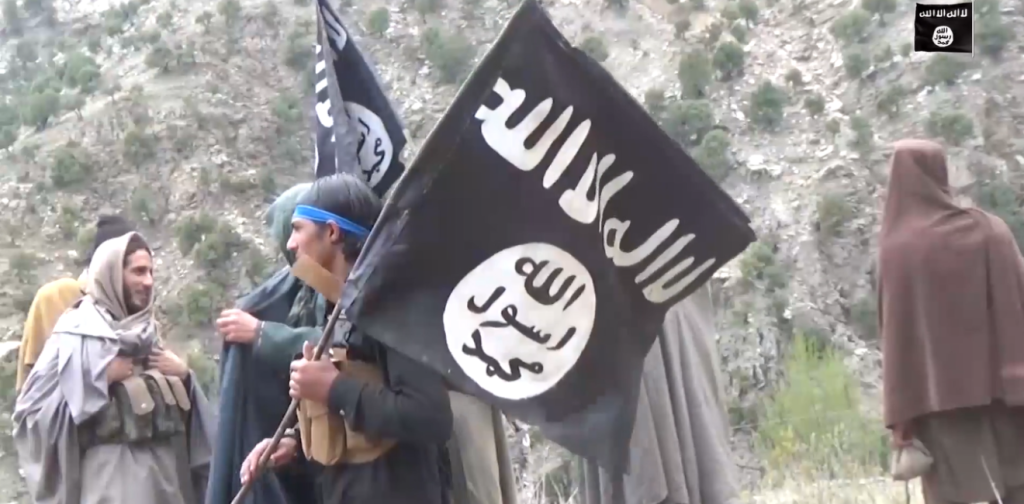
According to Eurasia Review, Russia has raised serious security concerns over ISIS-K activities in Afghanistan, viewing the country as a strategic crossroads between South and Central Asia critical to Kremlin security calculations.
Following the withdrawal of U.S. forces in 2021 and the Taliban’s takeover of Kabul, Moscow sought to strengthen ties with Afghanistan’s interim government. In this context, the Russian Supreme Court removed the Taliban from its list of terrorist organizations on 17 April 2025 — part of a Kremlin strategy to engage directly with the Taliban and counter extremist groups.
Nevertheless, the deadly March 2024 attack at the Crocus concert hall in Moscow, claimed by ISIS-K, underscored the persistent threat posed by the group. This same network had previously carried out the August 2021 suicide bombing at the “Blue Gate” of Kabul airport, leaving dozens dead.
The report notes that Russia is concerned ISIS-K could exploit open borders in Central Asia to spread instability in the region, directly affecting Russian national security. Vasily Nebenzya, Russia’s UN ambassador, warned at a UN Security Council session on 20 November 2025 that “the risk of spillover of terrorist activities is very real,” noting that ISIS-K continues to receive foreign funding and includes battle-hardened fighters from the Middle East.
While the Taliban government has dismissed these concerns, claiming Afghan territory is not being used against other countries, multiple reports suggest that in practice the Taliban have struggled to enforce these commitments and have even supported groups such as Tehrik-i-Taliban Pakistan, which has conducted multiple attacks in Pakistan.
Sergei Shoigu, Secretary of the Russian Security Council, also warned at a recent meeting of the Council of CIS States in Moscow that extremist infiltration from Afghanistan remains a threat, stressing the necessity of regional coordination. Anna Ovestinieva, Deputy Permanent Representative of Russia to the UN, said that Taliban counterterrorism measures have been “insufficient” and that the growing ISIS-K presence has serious regional implications.
Eurasia Review concludes that while Moscow’s tactical engagement with the Taliban may have benefits, without a reliable mechanism for counterterrorism cooperation and sustainable regional coordination, the ISIS-K threat could rapidly expand into Central Asia and beyond. The report emphasizes the need for a cohesive international strategy combining diplomatic pressure, intelligence cooperation, and strengthened border security to prevent Afghanistan from becoming a launchpad for global terrorist networks.
The report comes after Russian President Vladimir Putin, in an early December 2025 interview with an Indian media outlet, asserted that “the Taliban have control over Afghanistan and are acting against terrorist groups, including ISIS,” and that the Afghan government is making significant efforts to combat terrorism.