Interest in Islam Rising Among Young Germans: Seeking Meaning in Global Crises
DID Press: Recent studies and anecdotal evidence indicate that thousands of young Germans are converting to Islam each year, with estimates ranging from 2,000 to 4,000 annually. This growing trend has attracted attention from academics, media, and religious institutions.
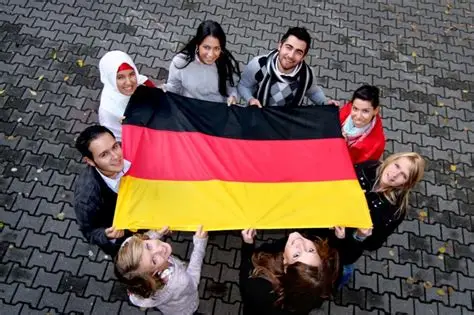
Personal stories highlight diverse motivations. For some, emotional encounters—such as hearing the call to prayer—sparked spiritual curiosity. Others, like “Max,” were influenced by the Gaza conflict, prompting questions about resilience, justice, and morality. Many converts report that Islam provides a structured ethical framework, a sense of belonging, and inner coherence they found lacking elsewhere.
Social media plays a dual role: platforms like TikTok, Instagram, and YouTube offer access to personal experiences and religious content, yet also risk exposure to extremist messaging. German authorities and mosques are increasingly engaging online to provide accurate guidance and counter misinformation.
Statistically, Islam is now the second-largest religion in Germany, with an estimated 5.5 million Muslims, nearly half of whom are German citizens. Muslim populations are significantly younger than the national average, and ethnically diverse, including Turkish, Arab, Southeast European, Afghan, and Iranian communities.
Experts note that these conversions are not merely reactive. They reflect a search for meaning, identity, and ethical coherence, often sparked by global events but grounded in a long-term, introspective process. Social pressures, especially for women navigating issues like hijab, can complicate integration, highlighting the importance of informed dialogue and understanding.
This trend, scholars suggest, signals a broader quest for meaning in modern German society, where young people seek spiritual and communal anchors amid social and cultural uncertainties.
Source: Al Jazeera