DID Press: Turkey is exerting cultural and identity influence across Russia’s Muslim-majority republics, reshaping loyalties rather than borders. The Ankara-led “Turkish Bow” project, spanning from Tatarstan to the North Caucasus, uses identity reconstruction and cultural corridors to strengthen ties with local populations — a strategy that could shape Russia’s geopolitical future.
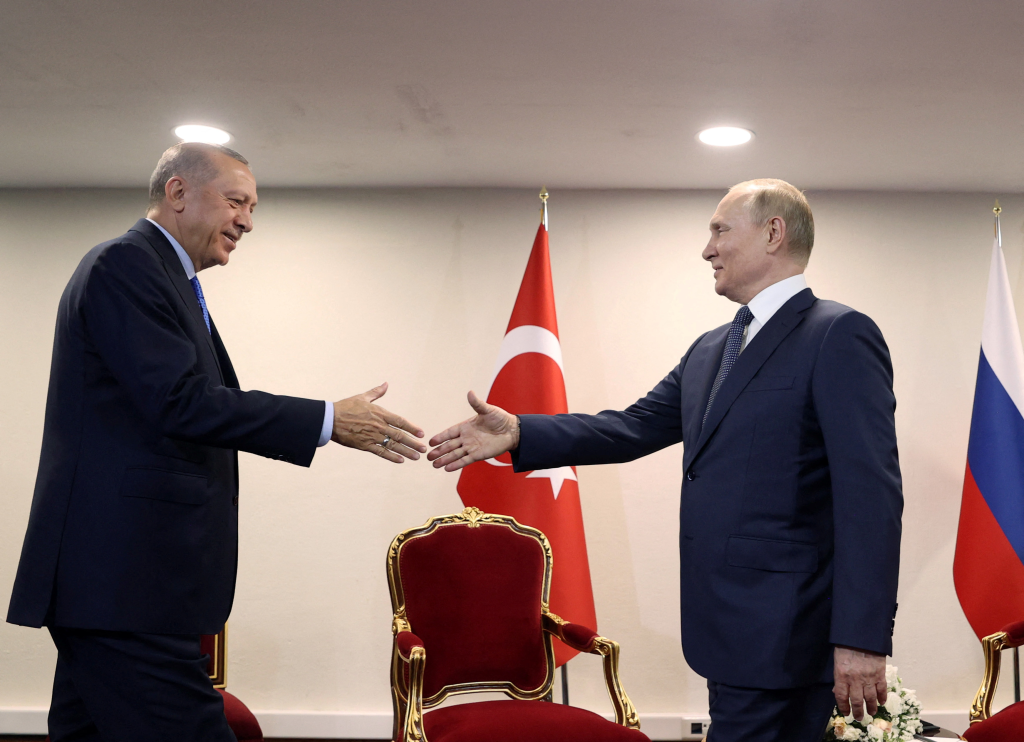
In recent years, Turkey has expanded its presence in these regions not through territorial claims but via cultural, religious, and educational initiatives. Last October, the participation of Ersin Tatar, former president of Northern Cyprus, in a family photo of Turkic nations and the signing of the Gabala declaration demonstrated Ankara’s growing influence, largely unnoticed by Moscow.
Strategists in Ankara describe a plan encompassing ten Russian regions, including Tatarstan and Chuvashia, framing them as part of a “Connected Turkistan Project.” The objective is to create culturally and religiously aligned regions that are more loyal to Ankara than Moscow.
Kazan, the center of Russia’s Muslim population, serves as the primary hub. The Kazan Forum, with over 8,500 participants from 96 countries, provides opportunities for Turkey to expand economic, scientific, and religious influence. Regular meetings between Rustam Minnikhanov, president of Tatarstan, and President Erdoğan, along with partnerships via Yunus Emre Institutes and universities, reinforce this influence.
Turkey’s reach extends into the North Caucasus through trade, direct flights, religious collaboration, and engagement with local leaders, including Ramzan Kadyrov in Chechnya. The Turkish Directorate of Religious Affairs positions Islam as part of the Turkic heritage, supporting conferences, youth camps, and summer schools to consolidate cultural influence.
Support from the Organization of Turkic States (OTS) and Qatar further legitimizes these efforts. Ankara is effectively establishing an “identity corridor” from European mosques to Kazan and the Caucasus, potentially forming a mobilizable Sunni-Turkic belt — a development that raises strategic concerns for Russia and the West.
Ultimately, while Moscow retains administrative control, Ankara’s cultural and identity outreach is shaping loyalties and long-term social bonds, with significant implications for Russia’s geopolitical and social landscape.
Source: Eurasian Times