Pakistan’s Role in Gaza: Diplomatic Opportunity or Risk of Domestic Instability?
DID Press: Domestic threats — including a prolonged fight against Islamist militant groups, border tensions, and pressure from anti-American and anti-Israeli movements with strong mobilization capacity — pose serious constraints on Pakistan’s foreign policy options. Any involvement of the Pakistan Army in a Gaza mission, even in a limited monitoring or reconstruction role, could inflame public anger and opposition parties, placing the military’s domestic legitimacy under significant strain.
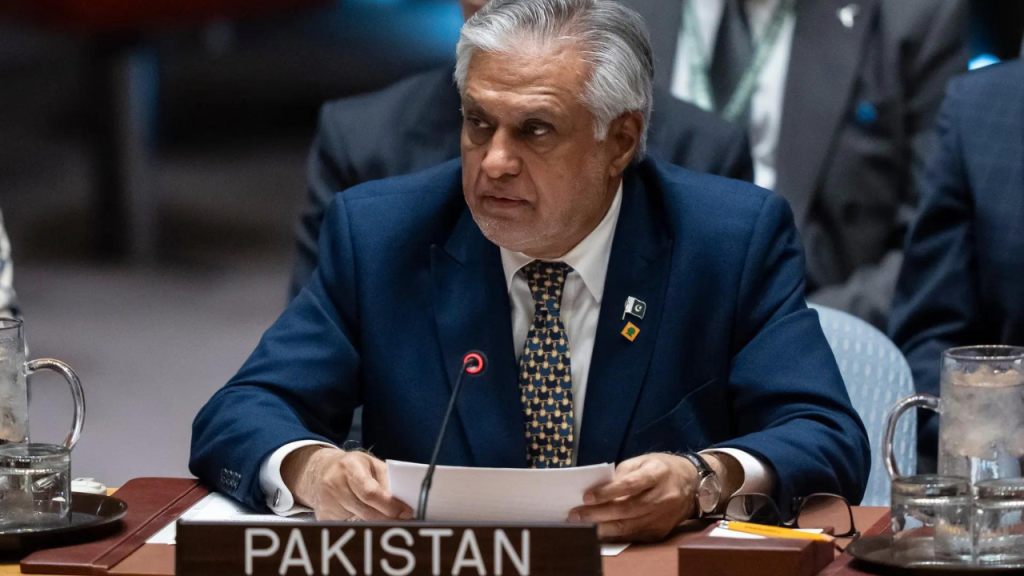
According to a recent Reuters report, Washington’s pressure on Pakistan to participate in a proposed “Gaza Stabilization Force” has drawn growing attention from regional media and analysts. The Pakistan Army, and particularly Field Marshal Asim Munir, now face one of the most sensitive strategic tests in decades. The proposed mission — involving oversight of Gaza’s reconstruction and the disarmament of Hamas — could enhance Pakistan’s diplomatic standing, but carries substantial internal political and security risks.
As the only Muslim-majority country with nuclear weapons, Pakistan possesses an army experienced in both conventional and asymmetric warfare and is viewed by the United States as a key partner for regional missions. In recent months, Asim Munir has sought to strengthen ties with Washington through repeated visits and direct engagement with the U.S. president, aiming to elevate Islamabad’s role in regional strategic calculations. However, military capability and U.S. support represent only part of the equation, as Pakistan faces complex domestic challenges that complicate any external deployment.
Internal threats include an ongoing war of attrition against Islamist militants, border security pressures, and the influence of anti-U.S. and anti-Israel political currents capable of mobilizing large-scale street protests. Participation in a Gaza mission — even if framed as humanitarian, supervisory, or reconstruction-focused — could ignite public backlash and intensify criticism from political and religious groups, placing the army’s domestic legitimacy under pressure. This underscores that the decision confronting Asim Munir is not merely diplomatic, but a test of his ability to manage internal dissent and preserve political stability.
Recent legal reforms granting expanded authority to Pakistan’s army chief — including command over land, air, and naval forces, as well as lifetime legal immunity — have placed Munir in an unprecedented position of power. While these authorities enhance his freedom of action and decision-making autonomy, they also increase the risks: any strategic miscalculation could trigger widespread dissatisfaction or even a political crisis. These reforms suggest that Islamabad is increasingly centralizing sensitive strategic decision-making within the military leadership.
From a regional perspective, the Gaza mission remains highly complex. Washington’s proposed 20-point plan reportedly includes economic and security oversight and the disarmament of Hamas — elements that many Muslim-majority countries view with caution. Given Pakistan’s ongoing tensions with India, instability in Afghanistan, and persistent internal security challenges, Islamabad must carefully balance international engagement against the imperative of domestic stability. Even close personal ties between Asim Munir and U.S. leadership cannot eliminate these internal risks.
Pakistan is also navigating an intensely polarized domestic political environment. Islamist groups and opposition parties — including supporters of former Prime Minister Imran Khan — could seize upon any military role in Gaza as a catalyst for mass protests and increased pressure on both the government and the armed forces. In this sense, the Gaza question is not only an international assignment, but a broader test of the military’s capacity to manage social and political pressures.
Ultimately, Pakistan’s potential participation in a Gaza mission presents a dual-edged scenario. On one hand, it could strengthen Islamabad’s regional influence and deepen strategic ties with Washington. On the other, domestic backlash and pressure from religious and political actors could undermine internal stability. As such, Munir’s decision represents not merely a diplomatic choice, but a critical test of military legitimacy, political stability, and Pakistan’s ability to balance foreign policy ambitions with internal realities.
International Desk – DID Press Agency