Yalda in Central Asia: Shared Cultural Heritage Beyond Borders
DID Press: Yalda Night, an ancient tradition rooted in the broader sphere of Persian culture, continues to be observed across Central Asia under different names and forms, offering renewed potential for regional cultural convergence.
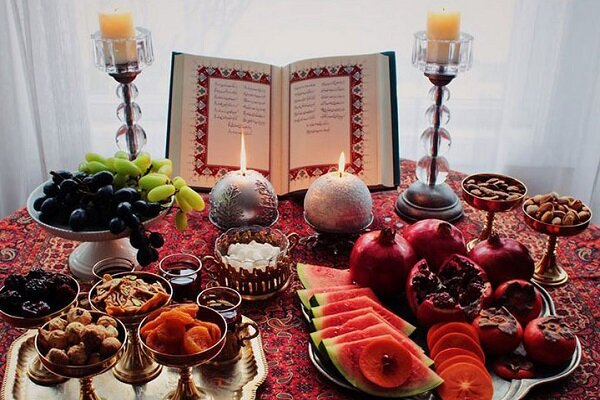
Marking the longest night of the year and symbolizing the triumph of light over darkness, Yalda is celebrated in Afghanistan with poetry readings from Hafez and Ferdowsi, while in Tajikistan and Uzbekistan it survives through local “Chella” traditions. In parts of Tajikistan, rituals such as Chella-gorizan are still practiced, reflecting ancient beliefs associated with rebirth, protection, and the return of light.
In Turkmenistan, Yalda is more commonly understood as a metaphor for winter hardship and endurance, yet it remains visible in classical literature. In Kazakhstan and Kyrgyzstan, similar celebrations known as Nardugan or Nartugan share key elements with Yalda, including symbols of the sun’s rebirth and traditions resembling winter and New Year festivities.
Although Yalda has been jointly registered by Iran and Afghanistan on UNESCO’s Intangible Cultural Heritage list, experts note that its wider historical presence across Eurasia has yet to be fully recognized internationally. Cultural analysts argue that reintroducing Yalda as a shared regional heritage could strengthen cultural diplomacy and foster deeper identity-based dialogue among Central Asian societies.
Beyond a seasonal celebration, Yalda stands as a symbol of shared history, cultural continuity, and an opportunity to bridge tradition and modernity across the Persianate and Central Asian worlds.