DID Press: Pakistan’s potential readiness to join an international “Stabilization Force” (ISF) for Gaza has once again placed Islamabad at the center of Middle East security debates, raising questions about both regional dynamics and domestic political risks.
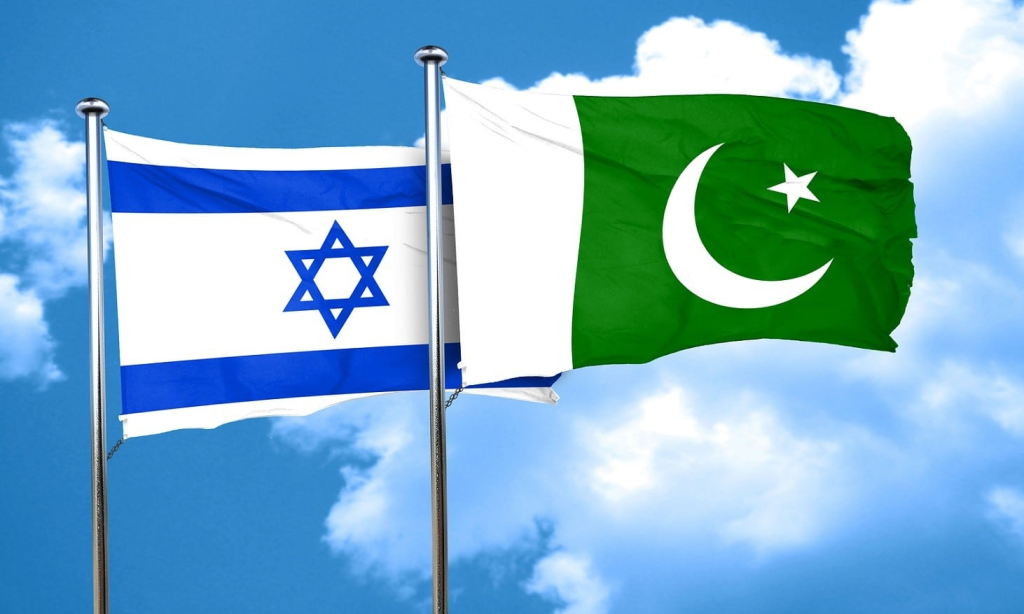
According to available reports, the U.S.-backed force would operate under the direct command of an American general, with a mandate focused on guaranteeing Israel’s security and disarming Palestinian resistance groups. The proposal, linked to a UNSC resolution and the creation of a so-called “Peace Council” to administer Gaza, carries far-reaching political and security implications.
As the only Muslim-majority country with nuclear capability and a military experienced in both conventional and asymmetric warfare, Pakistan is viewed as a key candidate. U.S. Secretary of State Marco Rubio welcomed Islamabad’s initial openness, calling Pakistan a “critical actor.” However, Pakistani officials emphasize that no final decision has been made and that consultations are ongoing.
For Islamabad, the calculus is complex. On one hand, Washington is exerting pressure to align Pakistan with broader U.S. and Israeli security objectives in the region. On the other, Pakistan’s military is already stretched by persistent insurgencies along the Afghan border, threats posed by Tehrik-i-Taliban Pakistan, and recurring tensions with India — constraints that complicate commitments abroad.
Domestic politics add another layer. Anti-American and anti-Israel Islamist groups retain strong mobilization capacity, and any deployment framed as supporting a U.S.-sponsored plan could trigger mass street protests. Analysts warn that such unrest could not only disrupt internal stability but also reinforce perceptions that Pakistan is executing Israeli interests.
Army Chief Gen. Asim Munir — whose mandate now runs through 2030 and who holds sweeping authority over the army, navy, and air force — is expected to wield decisive influence over Gaza decision. Observers say Islamabad must carefully balance its strategic partnership with Washington against the risk of domestic backlash, calling it one of Pakistan’s most sensitive national security junctures in recent years.
Regionally, the Gaza mission intersects with a broader Middle East chessboard, where Pakistan simultaneously navigates Afghanistan’s volatility, longstanding rivalry with India, and competing alignments involving Iran and Saudi Arabia. Participation could elevate Pakistan’s regional stature, but at the cost of heightened internal pressures.
Historically, Pakistan has hesitated to enter conflicts linked to Palestine, citing domestic priorities and security constraints. Today, however, U.S. pressure and the allure of enhanced international status appear to be shifting Islamabad’s strategic calculus.
In sum, Pakistan’s potential role in Gaza represents a multidimensional equation — political, military, and societal. The decision will shape not only regional stability but also the position of Pakistan’s military at home and Islamabad’s broader global standing. Experts caution that any final move must account for likely domestic and regional reactions to avoid unintended crises.
International Desk — DID Press Agency