Afghan–Tajik Border Insecurity Poses Serious Threat to China’s Interests
DID Press: As clashes and armed infiltrations from Afghanistan territory into Tajikistan intensify, the security of Chinese projects and nationals in the country has become a major challenge — a development that observers say can push Central Asia’s security balance into a sensitive and complex phase.
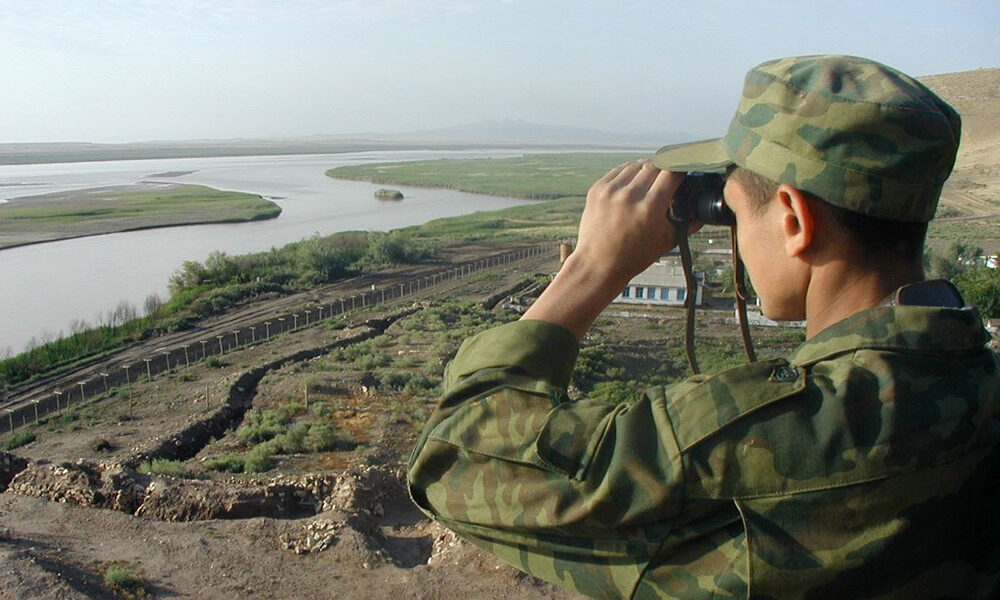
Amid rising border tensions between Afghanistan and Tajikistan, concerns are growing over the security implications for China’s interests in Central Asia. In a report, Al Jazeera said recent armed movements in Tajikistan’s border regions have now directly targeted Chinese investments and citizens, adding a new dimension to the region’s security calculations.
Tajik authorities have reported multiple cases in recent months of armed individuals crossing into the country from Afghanistan. These incidents have resulted in the deaths of more than a dozen people, including Chinese nationals. Most of the victims were working in remote areas of Tajikistan on economic, road construction, and mining projects — sectors that form the backbone of China’s economic presence in the country.
According to the report, Beijing — Tajikistan’s largest creditor and one of its most significant foreign investors — has lost its previous confidence in the security of its citizens and interests in border areas.
Earlier this month, a drone attack on a Chinese gold-mining company and a separate shooting targeting workers at a Chinese state-owned firm killed several Chinese nationals, sounding alarm bells in Beijing.
In response to these incidents, the Chinese embassy in Dushanbe urged Chinese citizens and companies to leave border regions, while also calling on the Tajik government to take “all necessary measures” to protect Chinese investments and nationals.
Security analysts told Al Jazeera that although the perpetrators of the attacks have not been officially identified, the operational pattern is consistent with known tactics of ISIS-K (Islamic State Khorasan Province). Experts believe the group aims to undermine the Taliban’s claims of providing security by targeting foreign nationals and exacerbating regional instability.
Al Jazeera warned that continued attacks can go beyond threatening Chinese interests, placing new security pressure on the Taliban and Afghanistan’s neighboring countries, and further complicating Central Asia’s fragile security environment.
Meanwhile, Tajik officials have openly criticized the Taliban, describing the attacks as evidence of the group’s “repeated failure” to uphold security agreements, and have called for firm guarantees to secure the border.
According to authorities in Dushanbe, many of these activities are organized from Afghanistan’s Badakhshan province — a region facing complex security conditions due to local grievances, crackdowns on poppy cultivation, and the presence of armed groups.
In response, the Taliban have expressed regret over the incidents, attributed responsibility to an “unknown group,” and insisted that Afghanistan under their control poses no threat to neighboring countries. They have reiterated their commitment to security obligations, including the Doha Agreement.