DID Press: Conflicting narratives have emerged around recent developments in China, ranging from unverified coup rumors to reports of a major reorganization within the country’s military command structure.
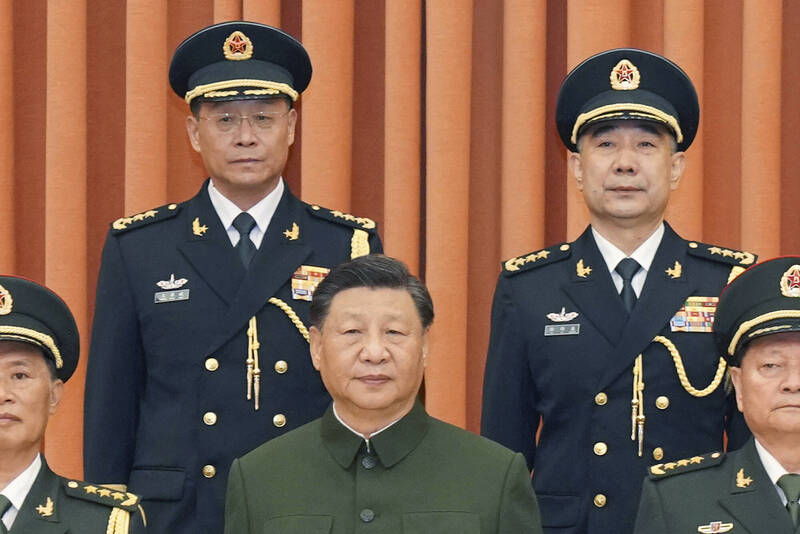
Claims circulating on social media allege that China is facing a “coup crisis,” asserting that President Xi Jinping has ordered the arrest of nearly 3,000 people, including military personnel and their families. These allegations have also suggested U.S. involvement in efforts to simultaneously destabilize Iran and China. So far, none of these claims have been confirmed by official sources.
Meanwhile, The Wall Street Journal has reported on what it describes as sweeping purges within the Chinese military and senior ranks of the Communist Party. According to the report, accusations against some commanders have escalated to include alleged “nuclear treason.” The newspaper specifically named General Zhang Youxia, a figure considered close to Xi Jinping, as being accused of accepting bribes and transferring sensitive nuclear information to the United States—claims that Beijing has not confirmed.
At the same time, analysts close to China have dismissed the coup narrative outright. Other experts argue that recent developments do not indicate an attempted overthrow, but rather reflect an institutional and disciplinary reshuffle within the People’s Liberation Army’s command structure. According to these assessments, the primary objective of the changes is to ensure political loyalty and prevent the emergence of independent power centers within the military.
As a result, China’s current situation is being interpreted through three competing lenses: widespread but unverified coup rumors, media reports of political and security purges, and analyses framing the developments as part of a broader restructuring of military command and control.