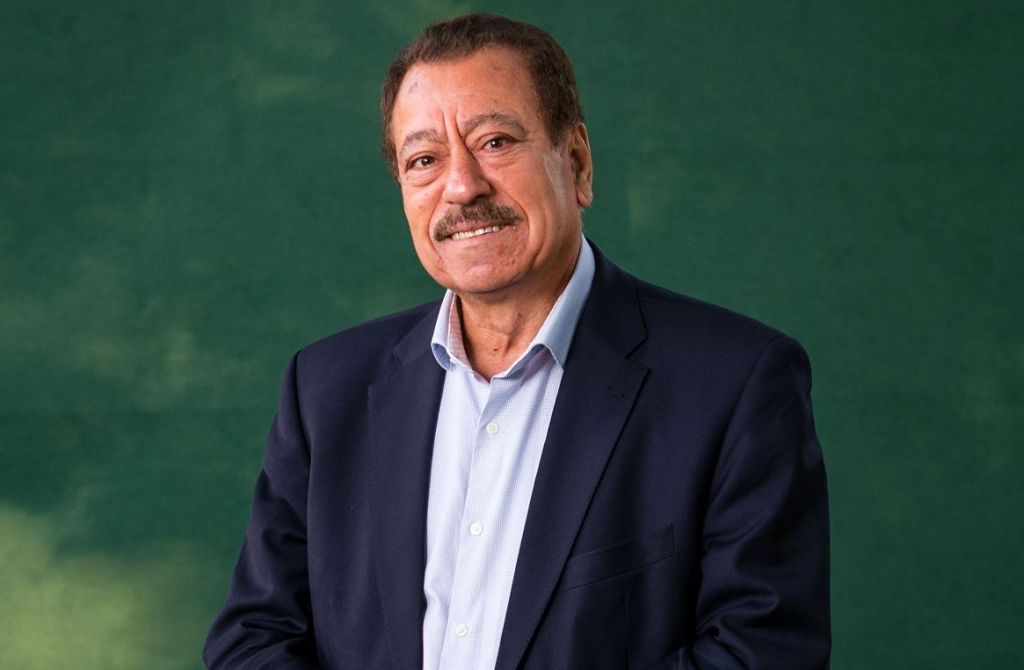
DID Press: Abdel Bari Atwan, a prominent Arab world analyst, has emphasized in his recent assessment of the escalating tensions between Iran and the U.S. that Tehran is in the strongest defensive position in decades and that any military action against it will face a hard and wide-ranging response. According to Atwan, “Iran will determine the end of the war, not those who start it.”
Referring to the deployment of U.S. aircraft carriers to the region, Atwan described these actions as part of Washington’s psychological war to push Iran into a “forced” negotiation aimed at permanently halting uranium enrichment and limiting Iran’s missile capabilities. He stressed that such tactics, like in the past, will lead to no results.
Atwan believes that in recent years, Iran has developed advanced missiles, drones, and submarines, reaching a level of defense self-sufficiency that renders U.S. military threats ineffective. He further stated that while Iran does not seek war, it will respond to any aggression with “a long breath” and readiness for a war of attrition—an approach that contradicts the U.S.’s new doctrine for “quick and clean” wars.
Atwan pointed to recent statements by Iranian military officials, including the announcement of adding 1,000 new drones to target U.S. vessels and a direct warning about attacking “Greater Tel Aviv” if war is initiated.
He emphasized that Iran would not be alone in such a battle. Resistance groups in Lebanon, Yemen, and Iraq have declared they will not remain neutral in the event of war, targeting U.S. and Israeli objectives across the region.
Atwan warned that any potential war will not be confined to Iran and the U.S. alone. Arab countries hosting U.S. bases—from Bahrain and Qatar to the UAE and Kuwait—will face direct consequences.
He praised Saudi Arabia’s stance of not allowing its land or airspace to be used for an attack on Iran, calling it a “smart” decision, and urged other Arab countries to follow this approach.
Atwan speculated that Donald Trump might back down from attacking Iran at the last moment—not out of fear, but due to concerns about the devastating consequences of war. He even suggested that Israel, considering Iran’s capacity for retaliation, may encourage the U.S. to delay an attack.
According to Atwan, Washington is now waiting for a signal from Tehran or mediators like Erdogan, indicating that Iran is ready for negotiations, with the first condition being the cessation of threats and the return of U.S. warships to their bases.