DID Press: Maleeha Lodhi, a seasoned Pakistani diplomat and analyst, has highlighted in her latest geopolitical assessment that Europe’s trust in the U.S. as a security partner and pillar of the Western order has been unprecedentedly weakened. Citing a European Council on Foreign Relations survey, she notes that the majority of Europeans no longer see the United States as a reliable partner, a shift that occurred even before European leaders began a serious review of their security policies. It is now accepted in European capitals that reducing military dependence on Washington, though difficult, has become an inevitable necessity.
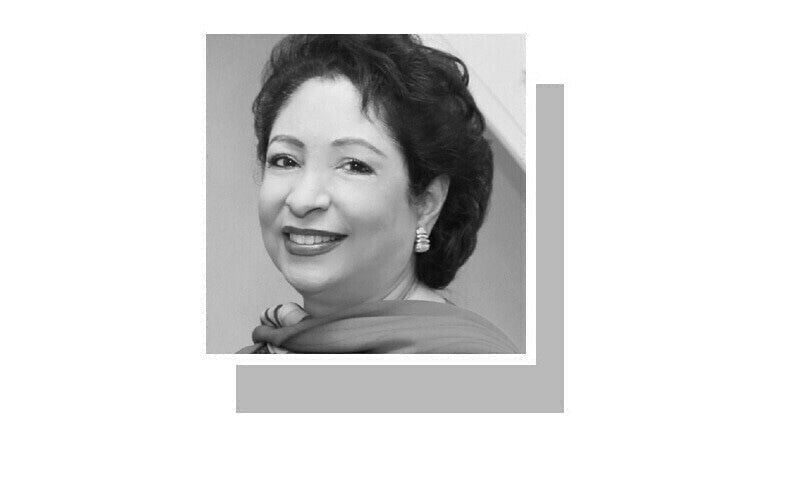
Lodhi argues that this transformation is not limited to Europe. In the Middle East, regional powers are adjusting to the gradual U.S. retreat. Saudi Arabia, while maintaining its traditional ties with Washington, is simultaneously expanding its strategic cooperation with China and diversifying its security and economic options. Riyadh’s reconciliation with Tehran, its renewed ties with Qatar and Turkey, and its defense agreement with Pakistan are all signs of Saudi efforts to create a more balanced network of regional and international partnerships. Lodhi believes the diminished trust in the U.S. security umbrella and Washington’s unconditional support for Israel have strengthened the motivation for these changes.
On a broader level, Lodhi identifies one of the key features of the new world order as the rising influence of middle powers — countries that are neither superpowers nor on the periphery of the international system but are now gaining more space for maneuver and influence by exploiting the gap between the U.S. and China. The fragmentation of power in the global system and the growing competition between Washington and Beijing have created conditions in which states can pursue more independent foreign policies and demand a more meaningful role in global decision-making.
According to Lodhi, the world is gradually moving away from the unipolar order led by the United States and toward a more fluid and multipolar structure, where not only the superpowers but also middle powers will play key roles. She concludes that the era of countries’ unilateral reliance on the U.S. is coming to an end, and the successful actors of the future will be those who can secure their place in this changing global order with flexibility, diversifying partners, and smart alliances.