Corruption Network in Afghan Presidency: Fazli’s Role Unanswered
DID Press: In final years of Afghanistan’s republic, reports and claims emerged from various sources about the formation of a well-organized corruption network within the presidential palace (Arg). This network, according to sources, frequently involved the name of Fazal Mahmood Fazli, the former head of the presidential administration, and those closely linked to him.
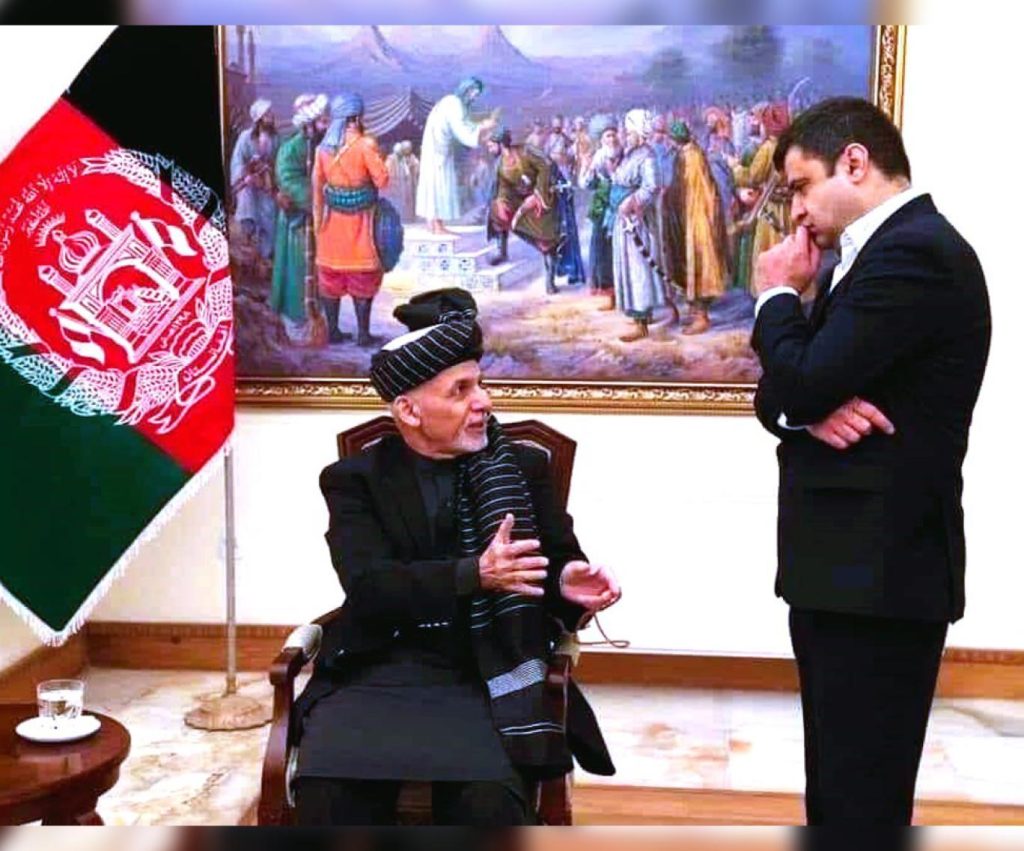
According to allegations from political and media circles, an influential network had formed within the previous Afghan government. This network used political immunity, administrative influence, and weak oversight institutions to continue its operations.
Sources claim that the network had connections with individuals close to the presidency, including a group associated with Fazli. The network was not limited to administrative corruption but expanded to the abuse of power, political influence, and systematic exploitation.
According to sources, individuals close to the Arg and the presidential administration created a web of political and administrative dependencies, disrupting the independent accountability and oversight processes. Employment opportunities and government positions were used to exercise influence, recruit loyal individuals, and establish a network of political immunity — a network that, according to observers, could not have continued without the support of powerful figures within the Arg.
Reports suggest that young women and vulnerable individuals, with promises of employment, career opportunities, and access to government structures, were directed into networks that eventually subjected them to exploitation and abuse. Sources claim this pattern signaled a form of organized corruption intertwined with parts of the power structure.
Some sources also allege that activities of this network linked to Fazli and his close associates extended to parts of Kabul, including residential and economic areas like Haj Nabi Township, Shar-e-Naw, Wazir Akbar Khan, and Arya Township. Due to the political influence of the actors involved, these activities were never formally investigated.
According to observers, the lack of independent and transparent investigations allowed this situation to persist.
Political analysts stress that these allegations, regardless of their final truth, have had a profound impact on public opinion, undermining the legitimacy of the political elite. The spread of corruption at high levels of government, particularly within institutions close to the presidency, increased public distrust, accelerating the collapse of the republic’s structure.
At the same time, critics argue that these allegations later became a propaganda tool for the Taliban. By highlighting moral and administrative corruption within the previous government and pointing to cases involving close groups to the Arg, the Taliban sought to justify their own restrictions and suppressions.
Despite the passage of time, fundamental questions remain about the role of Fazli and his circle, how such a network formed, the involvement of various institutions, and why the media and oversight bodies failed to carry out independent investigations. These questions, experts say, are crucial for understanding the roots of the republic’s fall and preventing the repetition of such experiences in the future.