Pakistan-Taliban Relations at Crossroads: Diplomacy Continues amid Deepening Border Tensions
DID Press: Relations between Pakistan and Taliban-led government in Afghanistan have entered a critical phase, marked by mutual mistrust and border security concerns, even as diplomatic channels remain open. Islamabad has repeatedly expressed concern over anti-Pakistan armed groups operating from Afghanistan territory, warning that military action remains an option if Kabul fails to control these elements. However, Pakistani officials stress that diplomacy is the priority, with force considered only as a last resort.
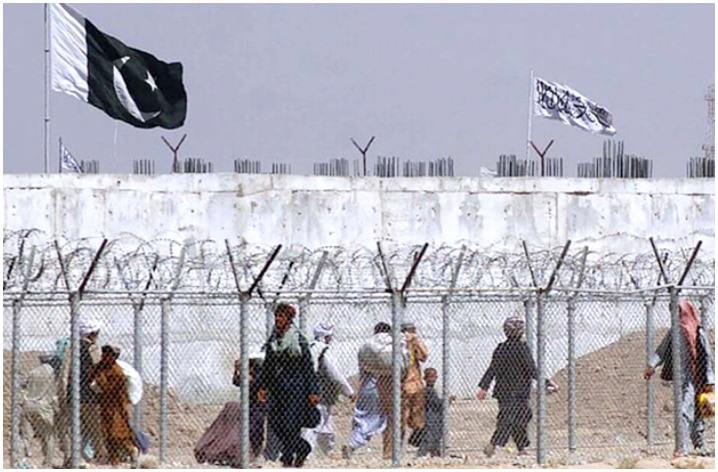
This approach reflects a dual strategy: Pakistan leverages the threat of military intervention to pressure the Taliban into cooperating on security, while maintaining dialogue to prevent escalation into a broader conflict. Analysts note that Islamabad seeks a pragmatic balance—avoiding a costly war, yet unwilling to ignore security threats.
For the Taliban, the situation is equally complex. Afghanistan faces economic, political, and international challenges, and escalating tensions with Pakistan could exacerbate internal instability and strain regional relations. Simultaneously, armed groups along the border remain a sensitive internal and ideological issue, complicating Taliban responses and fostering persistent uncertainty in bilateral ties.
The key message from Islamabad is clear: military options are kept on the table, but peaceful resolution remains the preferred path. This combined strategy of deterrence and dialogue is designed to manage the border crisis and prevent tensions from spiraling.
The durability of this arrangement is uncertain. Diplomacy relies on tangible cooperation; if threats persist and Kabul fails to act, the credibility of diplomatic tools may weaken, increasing the likelihood of limited military operations. While such actions may not trigger a full-scale war, they could raise tensions and prompt retaliatory measures from the Taliban, creating a cycle of pressure and response that deepens mistrust.
Regional dynamics also play a significant role. Neighboring countries and regional actors closely monitor Pakistan-Afghanistan relations, and any shift could alter the political and security balance. Islamabad, for example, signals to Tehran that it respects Iran’s stance on recognizing the Taliban while seeking to avoid regional political friction, demonstrating an effort to balance security concerns with neighborly sensitivities.
In summary, Pakistan-Taliban relations stand at a trust juncture. Diplomatic engagement continues, but its sustainability hinges on practical cooperation. Strengthened coordination on border security and armed groups could allow dialogue to prevent a crisis, while a gap between words and actions risks escalating tensions and limited military measures. The future of this relationship depends on the political will of both sides to manage differences and balance security pressures with diplomatic engagement.
By Sulaiman Saber — DID Press Agency