Communists in Afghanistan: Loyal to Lenin, Disloyal to Homeland
DID Press: Marking the anniversary of Soviet forces withdrawal from Afghanistan, an opinion piece argues that foreign-backed ideological dependency—whether aligned with Moscow or Washington—has repeatedly undermined Afghanistan’s sovereignty and national cohesion.
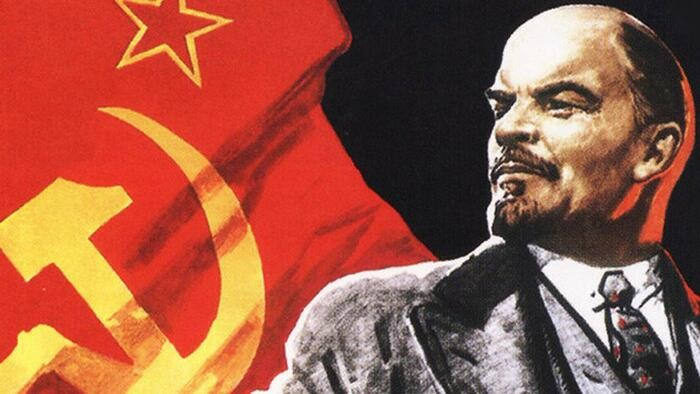
On 15 February 1989, the Soviet Red Army completed its withdrawal from Afghanistan, ending a decade-long military occupation by the former Soviet Union. The war, which followed the communist takeover by the People’s Democratic Party factions (Khalq and Parcham), left more than a million dead, displaced millions, and devastated the country’s social and economic fabric.
This analysis contends that the occupation was not solely the result of external aggression, but was facilitated by domestic actors who aligned Afghanistan with Soviet ideological and political interests, weakening national independence and paving the way for direct military intervention. Widespread repression, mass arrests, and killings during the communist period deepened societal trauma and entrenched the perception that collaboration with foreign powers constituted a breach of national loyalty.
The article rejects attempts to portray the anti-Soviet resistance purely as a proxy war between global powers, arguing that popular resistance—later known as the Afghan jihad—emerged first from religious rulings and grassroots mobilization in defense of faith, territory, and dignity, with external support arriving later.
Drawing historical parallels, the author cites earlier instances of reliance on foreign powers, including British backing of Shah Shuja Durrani, as well as more recent conduct of the United States toward its Afghan partners, to argue that great powers ultimately prioritize their own interests and offer no guarantees of lasting security to local allies.
The commentary further claims that ideological currents hostile to political Islam—from earlier communist networks to Western-aligned liberal circles—have maintained enduring alliances during periods of foreign intervention, while Islamist factions have struggled to achieve comparable unity. According to the author, this fragmentation has enabled corruption, factionalism, and ethnic polarization, weakening national solidarity.
Concluding, the piece stresses that Afghanistan’s long-term stability depends on internal cohesion, popular legitimacy, and resistance to ideological, political, and economic dependency. It argues that historical memory of collaboration and occupation should inform future political choices, warning that reliance on external patrons risks repeating cycles of domination, instability, and social fracture.
By Abdul Rauf Tawana