Afghanistan Marks 37th Anniversary, Contrasting Historical Narratives with Pakistan
DID Press: Afghanistan commemorates the 37th anniversary of the Soviet military withdrawal on February 28, 1989, a date celebrated as a symbol of national resistance and victory over one of the world’s most powerful armies. The Taliban government released a statement emphasizing the lessons of the jihad era, the importance of national unity, and the need for vigilance against external threats.
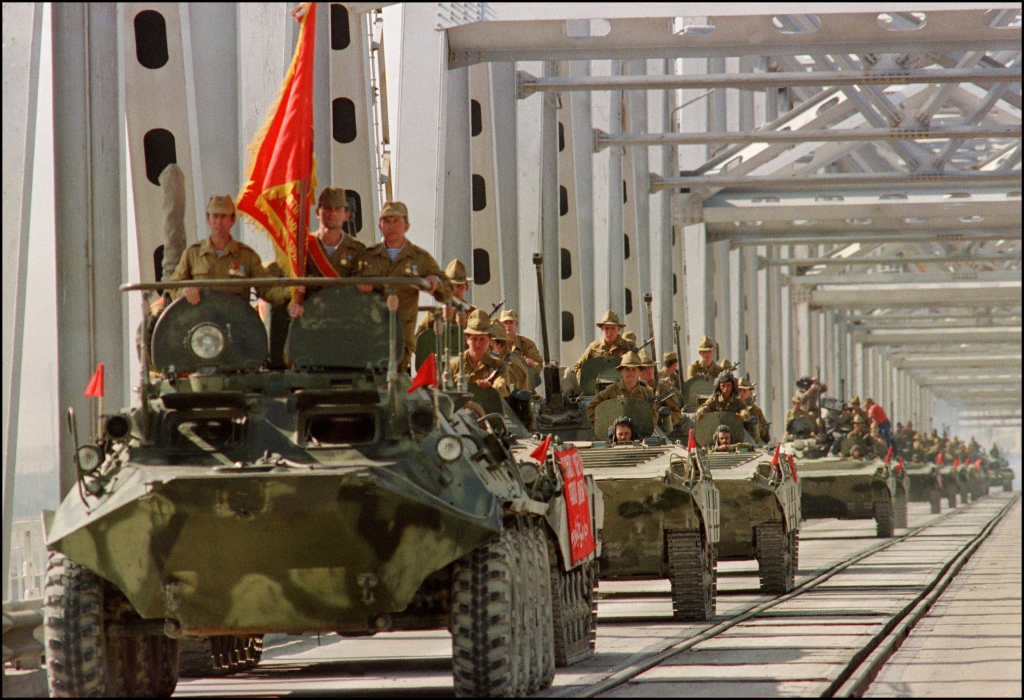
The statement framed the historical jihad as both a source of national identity and a warning to nations, including Pakistan, that any attempts at interference or aggression would meet determined resistance from the Afghan people. The Taliban highlighted that the struggle of the Afghan people was rooted in defending religion, freedom, and homeland, sending a clear regional message of deterrence.
In contrast, recent remarks by Khawaja Asif offered a different interpretation. He described the anti-Soviet war not as a jihad but as a politically motivated effort, largely influenced by the United States, aimed at legitimizing Pakistan’s leaders rather than defending Afghan sovereignty. He also noted that educational and historical revisions in Pakistan were designed to justify that war, suggesting that few real lessons were learned.
The conflicting narratives underscore the fundamental differences in how Afghanistan and Pakistan view the past. While the Taliban sees the resistance as a genuine jihad and a pillar of national identity, Pakistan portrays it as a tool of foreign policy. This divergence has direct implications for contemporary regional politics and security.
Analysts note that the Taliban’s message serves both domestic and regional purposes: strengthening internal cohesion while signaling that any foreign interference or exploitation of Afghanistan’s vulnerabilities will face severe consequences. The day also emphasizes the importance of historical literacy for Afghanistan’s youth, illustrating that understanding the nation’s past is critical for safeguarding independence, unity, and strategic decision-making.
By Ehsanullah Samim — DID Press Agency