Afghanistan’s $14B Trade Shifts from Pakistan Borders to Iranian Ports, Wakhan Corridor
DID Press: Afghanistan’s foreign trade reached nearly $14 billion in 2025, signaling a new phase for the country’s economy despite ongoing political challenges. Total exports were valued at $1.8 billion, while imports surged to $12.1 billion, driven by infrastructure and development projects.
Key Export Commodities:
- Dried and fresh fruits: figs, raisins, pomegranates
- Spices and medicinal plants: saffron and hing, especially in demand from India
- Minerals: coal, emeralds, lapis lazuli, and crude oil from the Amu Darya basin
- Black walnuts: primarily exported via air corridors to China
Strategic Imports:
- Energy: oil, diesel, natural gas from Iran and Turkmenistan
- Food: wheat, flour, vegetable oil, rice
- Industry: electrical machinery, cement, raw industrial materials
Shifting Trade Partners:
China: Heavy investment in oil and mining; Wakhan Corridor infrastructure 70% complete, expected to connect Afghanistan directly to China by 2026.
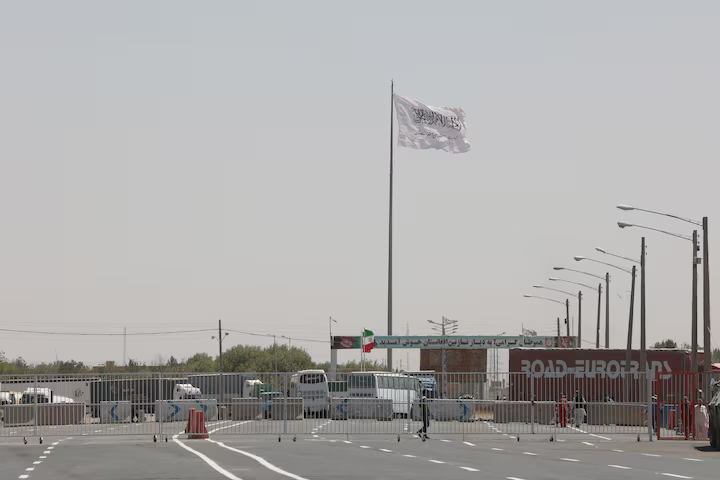
Iran: With Pakistan border trade falling 53%, Chabahar Port and Islam Qala border have become main arteries, ensuring supply routes to global markets.
India: Remains Afghanistan’s primary buyer of high-value agricultural products like saffron and dried fruits, using both air and sea routes.
Pakistan: Trade volume has dropped to under $600 million due to repeated border closures.
Tariff Measures 2026:
- 80% increase on seasonal fruit imports to protect local farmers
- 50% tariffs on plastics and footwear
- Reduced tariffs (1–5%) for raw materials and industrial machinery
Outlook:
Afghanistan is transitioning from traditional trade routes toward becoming a regional transit hub. Completion of the Wakhan Corridor and the Lapis Lazuli route could reduce dependency on any single neighboring country, strengthening Afghanistan’s position in regional commerce. Monitoring developments in Chabahar Port and Chinese investment is crucial for traders and economic stakeholders.