DID Press: In a much-anticipated annual address, US President Donald Trump offered little substantive clarity on Iran, despite expectations that he might outline potential military action or a concrete policy shift. Observers noted the majority of his speech consisted of general statements and reiteration of previously stated positions, rather than new strategic directives.
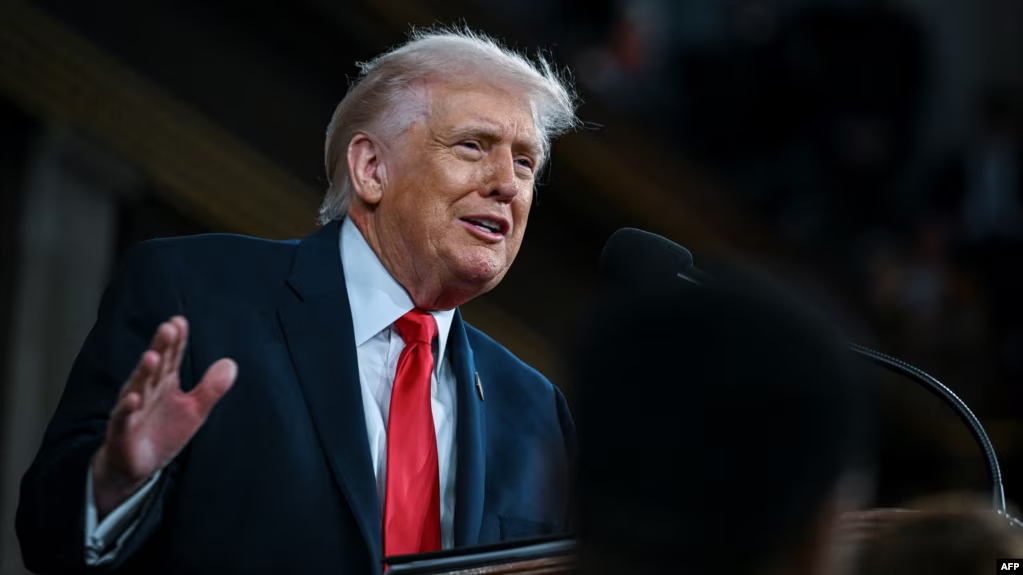
Trump, who previously claimed to have “destroyed Iran’s nuclear program,” framed the issue as leverage to pressure Tehran into choosing between a deal or enduring increased sanctions, signaling a focus on political optics rather than concrete action. The only somewhat new element was his assertion of Iran’s extended ballistic missile range, presented as a threat to U.S. bases abroad and American territory—a warning reminiscent of past rhetoric.
He left the possibility of a diplomatic agreement open, saying Iran “wants a deal,” but offered no definitive statements on the framework or terms. Analysts suggest his approach prioritizes domestic political calculations over on-the-ground realities, while any potential agreement or military action carries substantial political, logistical, and regional risks, including escalation and economic consequences.
Trump’s speech underscored a continuation of his familiar strategy: issuing threats, delaying decisions, and keeping negotiation channels open, all without clarifying a final course of action. Observers described the address as more performative than substantive, highlighting his preference for projecting control while avoiding concrete commitments.
By Sayed Hassan Mousavi — DID Press Agency