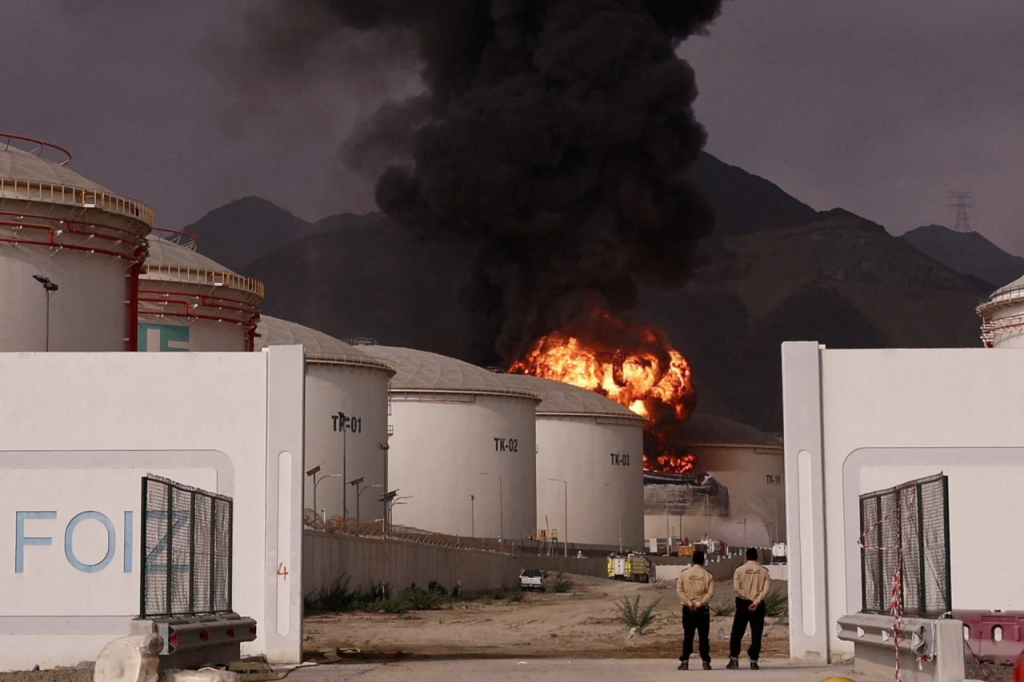
DID Press: Rising tensions in the Persian Gulf and the deteriorating prospects for a US-Iran ceasefire have sent global energy markets into turmoil. Efforts by Washington and its allies, including promises to release strategic reserves, have failed to calm investors. Analysts warn that ongoing disruptions in the Strait of Hormuz—a crucial passage for roughly 20% of the world’s oil—could push crude prices beyond current levels, potentially soaring above $130 per barrel. Economists are already dubbing this scenario the “third energy shock,” following COVID-19 and the Ukraine war.
In the U.S., energy companies benefit from rising prices, but consumers face steep fuel costs, with gasoline prices jumping 15–20% in just a week after the escalation involving the U.S. and Israel against Iran. This spike is driving up transport, airline, and food costs, creating a politically sensitive challenge for the Trump administration ahead of midterm elections.
Europe faces acute gas shortages, with prices at regional hubs doubling from €30 to nearly €70. Analysts warn this could trigger higher utility bills, industrial slowdowns, and stagflation. Gulf countries, despite higher oil prices, are losing due to shipping bottlenecks, rising insurance costs, and investor uncertainty.
East Asian economies—including China, India, and Japan—are highly exposed due to dependence on Gulf energy. China imports half of its oil and 30% of its LNG from the region and is scrambling to mitigate pressure through strategic reserves and increased Russian supply.
Globally, the crisis may reshape energy policies. Some nations may temporarily revert to coal for immediate security, while others accelerate investments in renewable energy. Economists caution that unless the conflict ends soon, structural shifts in international energy and economic systems are likely.