Short Truce, Long Tensions: Uncertain Taliban-Pakistan Relations
DID Press: Taliban have not issued an official response to Asif Ali Zardari’s claims. This silence could mean two things: first, political caution to avoid escalating tensions, and second, the fragile internal state of the Taliban, which does not want a direct confrontation with Islamabad.
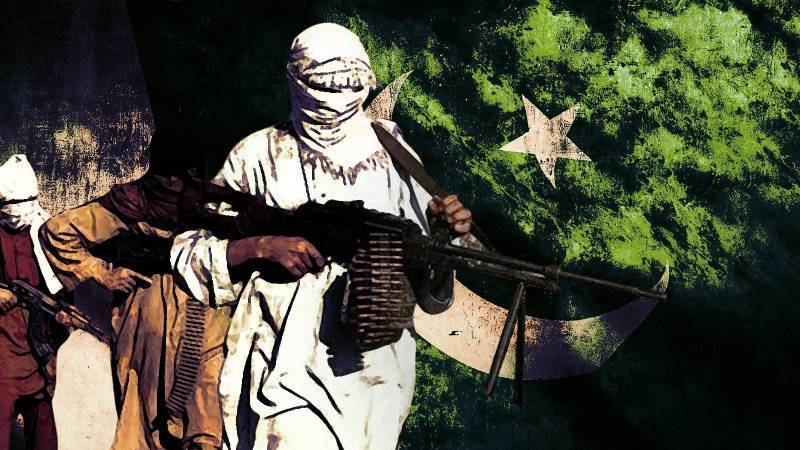
Pakistan announced a short-term ceasefire last week after four weeks of air and artillery attacks on parts of Afghan territory. The move was an attempt by Islamabad to reduce domestic pressure and project a positive regional image. However, the temporary ceasefire neither improved strained relations with the Taliban nor alleviated the complex security and humanitarian crisis in the region.
In his statement on Pakistan’s national day, President Zardari claimed that Pakistani military operations in Afghanistan achieved significant results against terrorism. While this indicates Islamabad’s confidence in its cross-border operations, field reports show that the attacks primarily impacted civilians. Bombings in Kabul and southern provinces—including a recent strike on a drug rehabilitation center, reportedly killing at least 400—highlight the severe human cost of these tensions.
The Taliban’s silence may reflect political prudence and internal fragility, avoiding escalation with Islamabad. Nevertheless, disputes over civilian casualties have deepened mistrust, showing that even limited ceasefires cannot resolve the fundamental issues in their relationship.
Geopolitically, Islamabad seeks to consolidate influence along its eastern border and prevent Afghan territory from being used to threaten Pakistan, targeting groups like TTP and the Baloch Liberation Army. Conversely, the Taliban, constrained by internal and regional pressures, must adopt a cautious stance to protect its political position while avoiding widespread conflict.
The human impact is severe: food shortages, infrastructure destruction, and civilian casualties—especially among women and children—have created a deep humanitarian crisis in border and urban areas of Afghanistan. Continued conflict could trigger internal displacement and place additional pressure on aid organizations.
In conclusion, the outlook for Taliban-Pakistan relations remains uncertain. Short ceasefires and official statements cannot replace real dialogue and trust-building. Without transparent mechanisms to monitor hostilities and protect civilians, tensions are likely to flare again, potentially destabilizing the wider South Asian region.
By Sayed Baqer Waezi | DID News Agency