DID Press: Over the past 24 hours, a wave of drone and missile attacks across Iraq, Kuwait, Bahrain, Israel, and Saudi Arabia has pushed the Middle East into a new stage of military and political tension. At the same time, positions taken by Iran regarding a ceasefire and the rising cost of war for Saudi Arabia have further complicated the region’s diplomatic outlook.
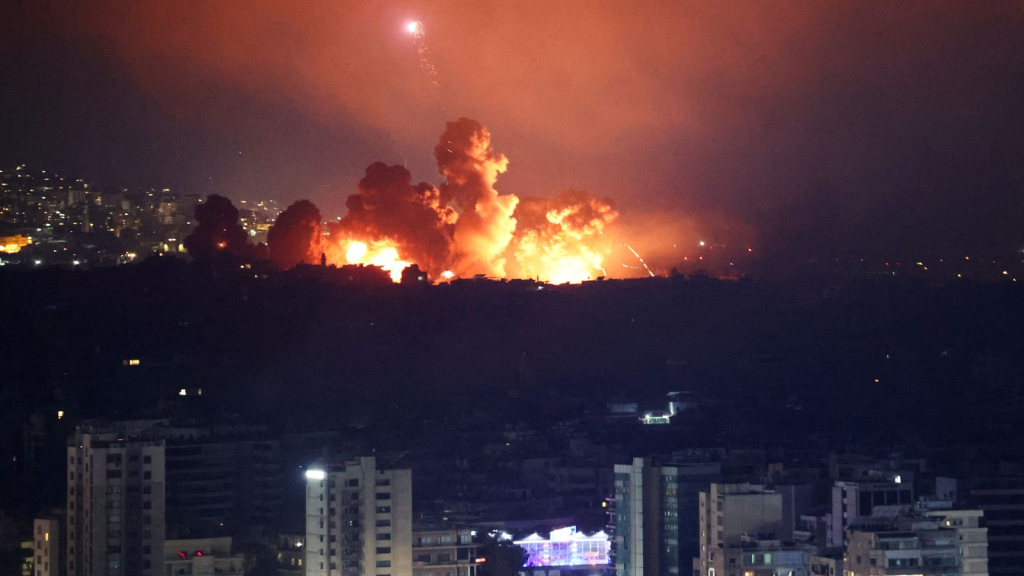
Recent developments indicate that the scope of confrontation among Iran, the United States, Israel, and resistance groups across the region has expanded significantly. Reports suggest that the Islamic Resistance in Iraq deployed dozens of drones within a single day to carry out more than 20 operations against U.S. bases in Iraq and surrounding مناطق. International media have also confirmed an increase in drone and missile strikes targeting American installations in Iraq in recent days.
Simultaneously, explosions have been reported in Bahrain and Kuwait targeting facilities linked to the United States. In Kuwait, the scale of drone and missile attacks has been substantial, with some sources reporting more than 60 strikes in a single day. These countries have repeatedly faced reciprocal attacks in recent weeks, and reports have even emerged of U.S. fighter jets being mistakenly shot down by Kuwaiti air defense systems.
On Israel’s northern front, the commander of the Israeli army’s Northern Command acknowledged that Hezbollah has performed beyond prior expectations, altering the balance of power along the northern borders. This admission comes as clashes between Israel and resistance forces in Lebanon have intensified in recent weeks, with Israel conducting large-scale strikes in southern Lebanon.
In Saudi Arabia, reports indicate missile attacks on oil and petrochemical facilities in the regions of Jubail and the Eastern Province. These strikes form part of a broader wave of operations attributed to Iran and allied resistance groups targeting countries in the Persian Gulf.
The The Wall Street Journal has reported that ongoing conflicts in the region have already cost Saudi Arabia more than $10 billion, prompting the kingdom to reconsider aspects of its economic commitments to the United States. This financial pressure is mounting as attacks on Saudi energy infrastructure carry potential global consequences for the oil market.
In Iran, official authorities have responded to a ceasefire proposal from the United States reportedly conveyed through Pakistan. Tehran stated that it would agree to negotiations only if the war ends permanently and sanctions are lifted, rejecting any temporary ceasefire arrangement.
Meanwhile, casualties among U.S. forces in the region are reportedly increasing. International sources indicate that recent attacks in Iraq, Bahrain, and Kuwait have resulted in a significant number of American personnel being wounded. Fighting in Iraq has intensified in particular, with U.S. bases repeatedly targeted by drone strikes.
Taken together, these developments suggest that the Middle East is entering one of the most complex and volatile periods in recent history. The widening scope of attacks, rising economic costs, shifting military balances, and diplomatic deadlock have all made prospects for ending the conflict increasingly uncertain. While regional states and global powers continue searching for ways to reduce tensions, realities on the ground indicate that the crisis is still expanding.