DID Press: Thirty-eight days into the conflict, Iran has grown stronger than in the first month. Both on the battlefield and in public spaces, the United States and Israel face increased pressure. Islamic jurisprudence serves as a central motivator for defending the homeland. Present-day Iran is seen as a sacred space where Islam, particularly political jurisprudence, has flourished, creating the strongest shield against foreign aggression.
Iran has maintained its missile and defense capabilities, effectively nullifying 47 years of U.S. investment in the region. More importantly, the Iranian people’s moral and spiritual inspiration is drawn from Husayn ibn Ali, whose resistance against oppression over 1,400 years ago continues to influence Iranian society. This ideological foundation ensures that Iranians will not submit to force, and martyrdom of military leaders only strengthens popular resolve.
Geopolitically, Iran controls strategic islands and locations, including the northern coastlines of the Strait of Hormuz, giving it a decisive regional position. This strait is a key global energy artery, and Iran’s influence over it allows the country to redefine the rules of engagement in West Asia, affecting global oil and gas markets.
The conflict is not limited to kinetic warfare. Iran has effectively engaged in the psychological and media domains, shaping public perception. Control over the narrative positions Iran as defender rather than aggressor, framing U.S. and Israeli forces as intruders. Success and failure are now mediated through perception as well as action, giving Iran strategic advantage both on the battlefield and in the minds of people.
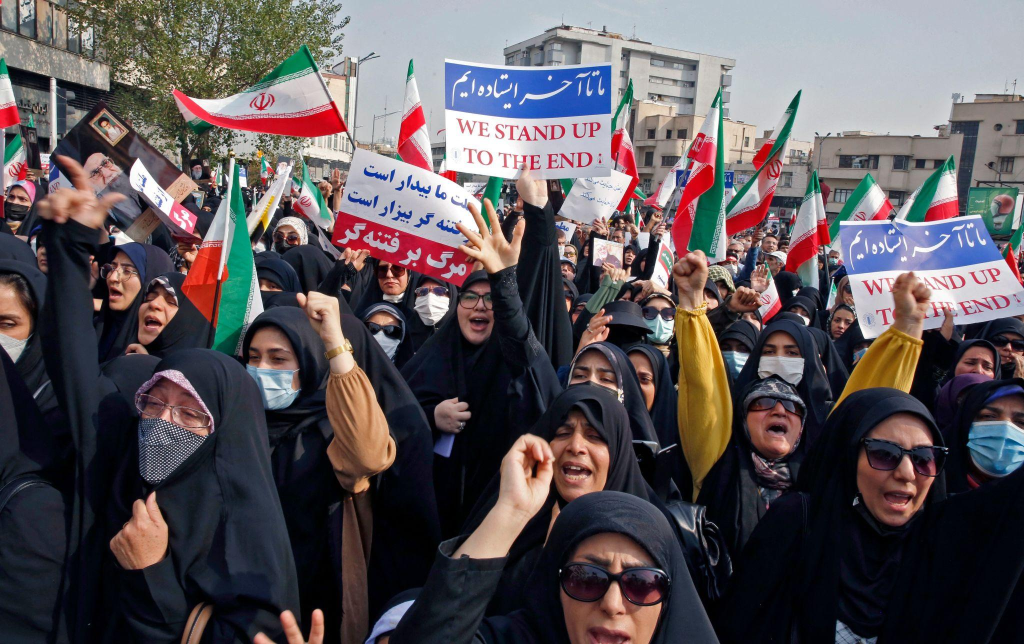
Consequently, popular support manifests in ongoing demonstrations and public participation in defense efforts. The United States remains in a military stalemate; its strategy of rapid, overwhelming force has failed, and air campaigns have not achieved regime change.
By Dr. Abdul Latif Nazari