Registration Bottlenecks and Harsh Weather Conditions Disrupt Repatriation Process
DID Press: The return of Afghan refugees to their homeland continues, with more than 10,000 people having crossed back into Afghanistan so far. Thousands more, after passing the border, have been accommodated at the camp in Landi Kotal, while refugees from various areas of Khyber Pakhtunkhwa and Punjab continue to arrive for registration and repatriation processing.
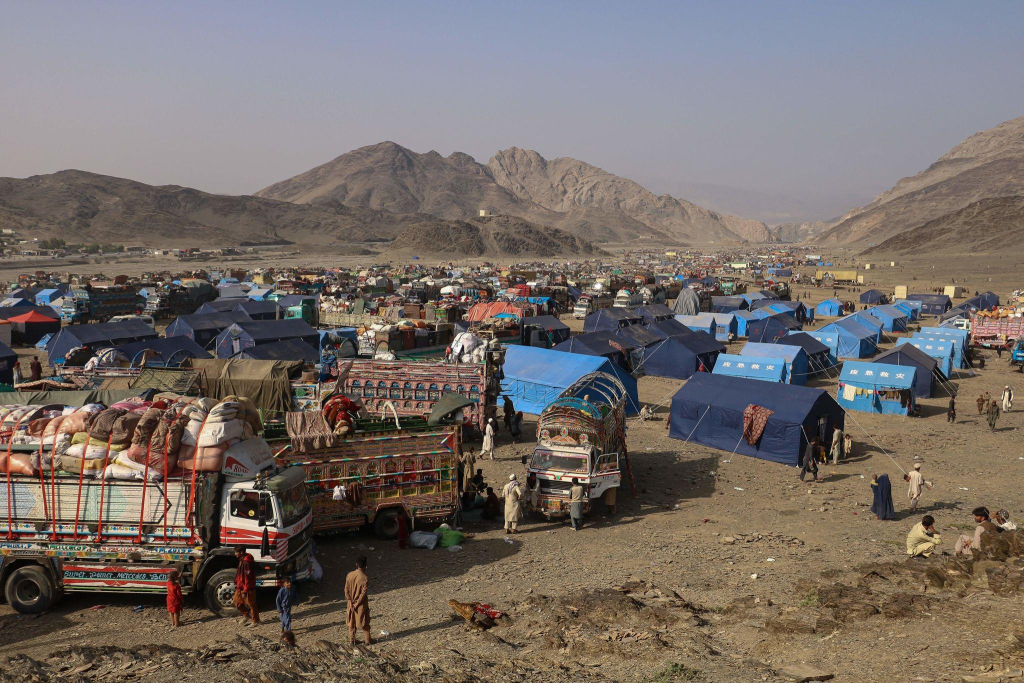
Despite the steady movement, shortages of essential facilities, limited personnel, and technical constraints have slowed the repatriation process, raising concerns among refugees and local residents. Heavy rainfall has further worsened conditions, leaving hundreds of refugees—many in open areas—exposed to cold weather and hardship.
Local Residents Provide Temporary Shelter Amid Crisis
In a notable humanitarian gesture, residents of Landi Kotal hosted affected families inside their homes to protect them from the rain. However, many families are still living outdoors due to insufficient shelter capacity.
One of the most significant obstacles remains delays in registration and immigration procedures. Refugees and community elders have called for an increase in migration staff to accelerate processing. Previously, registration was conducted at the Torkham Border Crossing, which helped distribute the workload. Now, with all activities centralized at the Landi Kotal camp, congestion has intensified.
Immigration officials have also reported operational challenges, including delays in fingerprint registration caused by henna on the hands of Afghan women and rough skin on the hands of male refugees. In addition, weak internet connectivity has slowed data transmission and further hindered processing.