DID Press: Reports from the first round of Iran–US talks held in Pakistan suggest the discussions were framed less as a pathway toward agreement and more as an assessment of Iran’s endurance under sustained pressure.
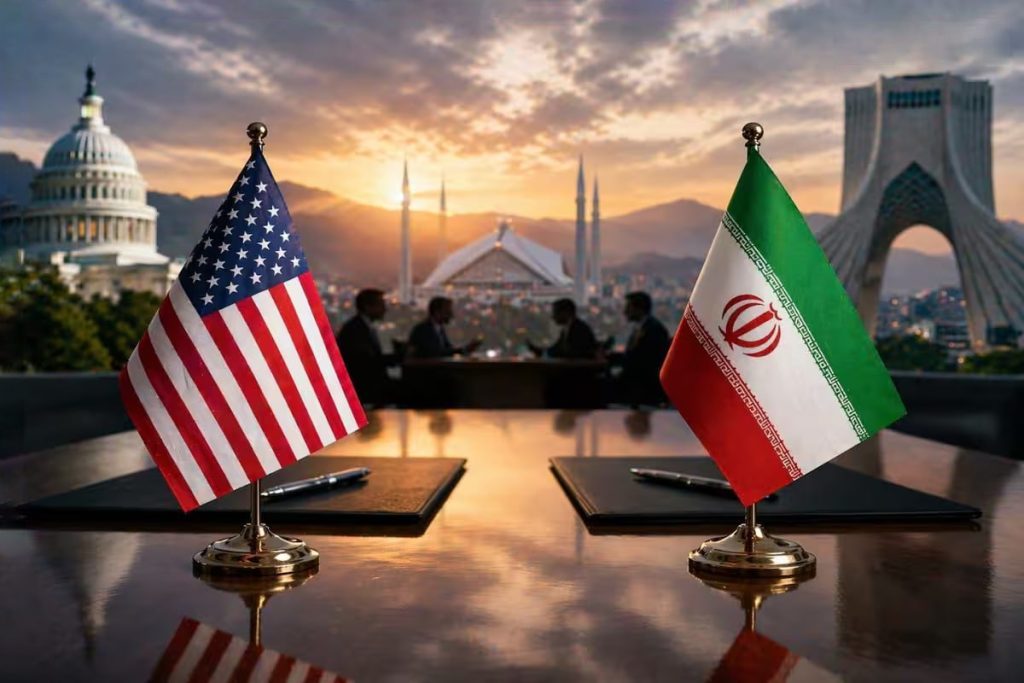
According to diplomatic sources, the U.S. delegation entered the talks with a largely evaluative rather than deal-oriented approach, aiming to gauge how far Tehran could withstand simultaneous military, economic, and psychological pressures.
The initial U.S. calculation reportedly assumed that Iran would seek a rapid exit from prolonged confrontation under mounting internal and external strain. However, as the situation extended beyond 40 days with Iran maintaining operational and political stability, the dynamic shifted, with Washington increasingly portrayed as seeking an “exit strategy” rather than a balanced settlement.
Analysts cited in the report also point to a pattern of U.S. messaging—combining maximum pressure rhetoric with intermittent calls for negotiation—as part of a broader effort to test Tehran’s strategic resolve.
The Iranian side, according to the report, responded by linking diplomatic engagement to developments on the ground, rejecting any notion that pressure could translate into concessions at the negotiating table.
The overall assessment of the previous round suggests that the talks functioned more as a resilience test than a genuine negotiation process, with the outcome interpreted as reinforcing the costs and risks of miscalculation for Washington and its regional partners.