DID Press: The confrontation between United States and Iran has evolved far beyond conventional military paradigms, increasingly resembling a multidimensional and hybrid strategic rivalry shaped by economic pressure, military signaling, political maneuvering, and information warfare. Analysts argue that this confrontation now extends beyond bilateral relations, intersecting with broader U.S. engagements involving the Islamic world, Russia, China, and Europe—turning it into a systemic challenge within the international order.
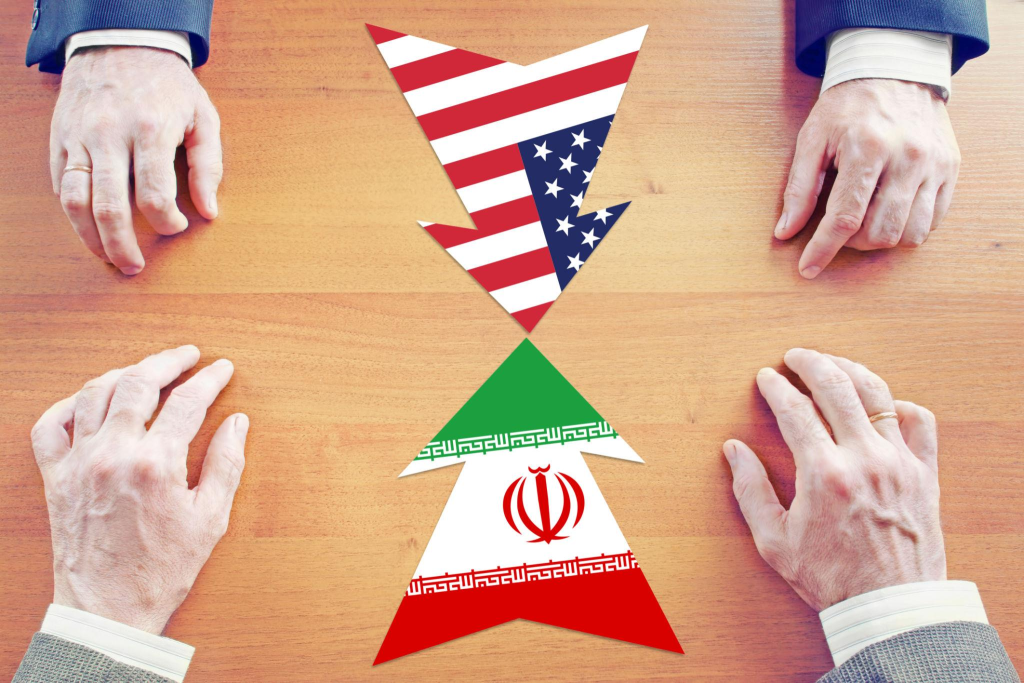
From a realist perspective, strategic success depends on the tangible realization of objectives, while deterrence theory emphasizes the ability of adversaries to increase costs and complicate outcomes. Current indicators therefore suggest not decisive victory, but an expanding structural limitation on policy effectiveness.
1. Gap between objectives and outcomes
Sanctions fatigue, persistent strategic capabilities of Iran, lack of political transformation, and limited diplomatic progress indicate a widening gap between intended goals and actual outcomes.
2. Constraints in coalition-building
Divergences within NATO, EU policy fragmentation, and weakening multilateral alignment reflect erosion in collective strategic cohesion.
3. Rising costs and diminishing returns
Increasing economic and military expenditures, coupled with limited strategic gains and pressure on global energy stability, highlight an unbalanced cost–benefit equation.
4. Iran’s strategic adaptability
Iran’s internal resilience, regional influence, alignment with Russia and China, and sustained deterrence posture demonstrate adaptive strategic behavior under pressure.
5. Operational complexity
Risks in the Strait of Hormuz, asymmetric warfare challenges, cyber competition, and regional vulnerabilities have significantly increased operational uncertainty.
6. Systemic stalemate
Prolonged attrition, failed destabilization efforts, narrative competition, and diplomatic stagnation collectively define an emerging strategic deadlock.
Broader global dimension
This confrontation is embedded in a wider multi-front geopolitical environment involving:
- Islamic world tensions linked to Middle East conflicts
- Russia through the Ukraine war and great-power rivalry
- China via economic, technological, and Taiwan-related competition
- Europe through growing transatlantic policy divergences
This multi-theater dynamic increases systemic pressure on global decision-making structures.
Historical parallel
The Soviet experience in Afghanistan illustrates how prolonged attrition, rising costs, and expanding strategic burdens can erode great-power capacity—though such parallels remain illustrative rather than predictive.
Conclusion
The current phase reflects a strategic deadlock. Whether this evolves into adjustment or strategic decline depends on future policy recalibration, alliance management, and diplomatic engagement. The outcome remains contingent, not predetermined.
By Abdul Raouf Tawana — DID News Agency