Taliban Detain Two Hazara Youths, Beaten Shiite Cleric in Kabul
DID Press: Taliban forces detained a Hazara couple on charges of being “non-mahram” and beaten a well-known Shiite cleric after summoning him to Police District 18, reported local sources in capital Kabul.
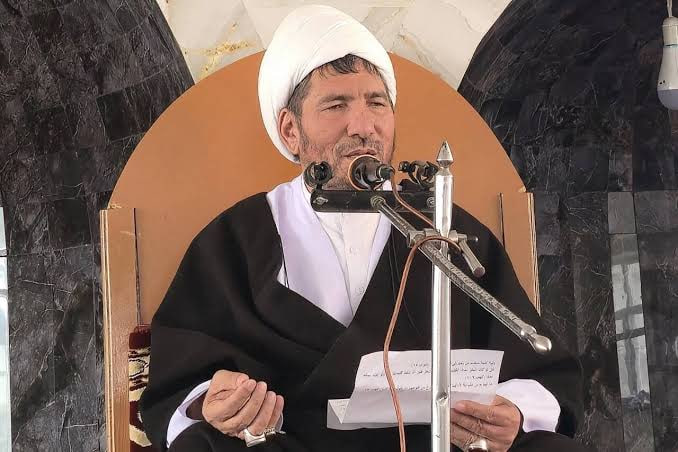
According to the sources, morality enforcement officers of the Taliban in District 18 detained a young Shiite Hazara man and woman in Dasht-e Barchi area of western Kabul. The cleric, Hujjat al-Islam Hossein-Dad Sharifi, a prominent and well-known Shiite religious figure, was also reportedly beaten.
The couple was reportedly arrested while shopping for their wedding ceremony, when Taliban officials detained and transferred them to District 18, accusing them of being “non-mahram”.
During interrogation, the two young individuals told Taliban officials that they were already married and that their marriage contract had been officiated by Hossein-Dad Sharifi, said sources.
Following these statements, the Taliban’s morality enforcer in District 18 summoned the cleric and questioned him about why he had conducted the marriage contract before the wedding ceremony.
According to the sources, the Taliban official alleged that the couple had committed a “sin” and held the cleric responsible. The official, reportedly, beaten and insulted the cleric without allowing him to explain.
The cleric was later released after signing a written commitment, while the two detained youths remain in custody at District 18 in Kabul.
The incident once again highlights continued reports of what observers describe as extremist, discriminatory, and rigid interpretations by the Taliban, particularly affecting the Shiite Hazara community.
Experts in Islamic jurisprudence emphasize that marital validity in Islamic law is based on the execution of the marriage contract, not the wedding ceremony itself. Therefore, the detention of the couple and the assault on the cleric who conducted their marriage contract, they argue, lacks religious basis and reflects misuse of authority under the guise of morality enforcement.