DID Press: On the 72nd day of the ongoing conflict, tensions between Iran and the United States have intensified sharply, with diplomatic exchanges, psychological pressure, and military signaling converging into what analysts describe as a fragile and unstable ceasefire. Donald Trump reportedly described the truce as being “in intensive care,” signaling deep uncertainty over its survival.
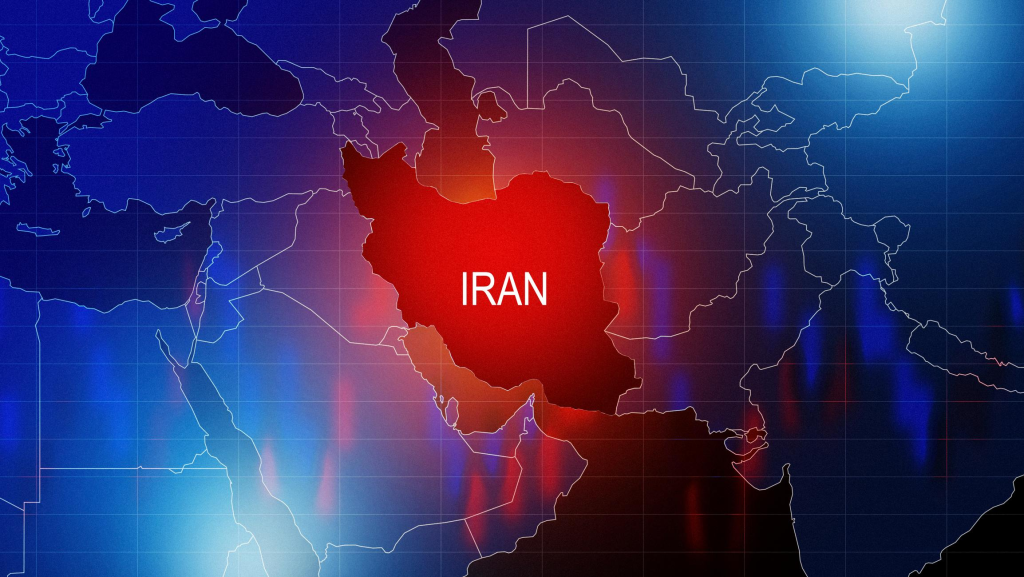
Iran has formally responded to a U.S. proposal by demanding the lifting of sanctions, release of frozen assets, an end to hostilities, guarantees over freedom of navigation in the Strait of Hormuz, and preservation of its nuclear enrichment rights. Tehran rejected proposals that include uranium removal or long-term suspension of its nuclear program.
In contrast, Trump has labeled Iran’s response “unacceptable” and has raised the possibility of renewed military action, further increasing fears of escalation.
Hormuz Strait becomes central flashpoint
The Strait of Hormuz remains the most critical pressure point in the crisis. Reports indicate a significant decline in commercial shipping traffic due to security concerns, while oil markets have reacted with volatility. Several countries, including the United Kingdom, France, and Belgium, are reportedly considering maritime protection initiatives to secure navigation routes.
International observers warn that continued disruption could evolve into a broader humanitarian and food security crisis if supply chains are further affected.
Diplomatic backchannels intensify
Despite escalating tensions, diplomatic mediation efforts continue behind the scenes. Countries including Pakistan, Saudi Arabia, Egypt, Oman, and China are reportedly engaged in efforts to prevent full-scale collapse of negotiations.
China has emerged as a particularly influential actor, promoting coordination between Washington and Tehran while supporting multilateral diplomatic frameworks, including BRICS discussions.
Domestic dynamics in Iran
Inside Iran, officials emphasize national unity and reject external pressure proposals, describing their diplomatic position as firm and sovereign. Security rhetoric has intensified, with warnings of potential threats and reports of judicial actions against individuals accused of cooperation with foreign intelligence agencies.
Economic and humanitarian risks
Global economic indicators remain volatile. Oil prices have risen due to supply uncertainty, while concerns persist over potential disruptions to food and energy security if maritime instability continues.