Middle East Water Infrastructure Faces Severe Crisis Risk, Brookings Warns
DID Press: A new analysis by the Brookings Institution warns that the so-called “Ramadan War” has exposed deep vulnerabilities in the Middle East’s water infrastructure, potentially pushing the region’s chronic water crisis into an unprecedented phase.
In a report authored by Scott Moore, Brookings argues that while global attention has focused on rising energy prices, the most severe long-term impact for the Middle East is the escalating water crisis.
The analysis highlights that recent conflict in the Gulf has underscored the fragility of water systems at a time when climate change, declining groundwater levels, and unsustainable water management are already intensifying water insecurity.
Dependence on desalination systems
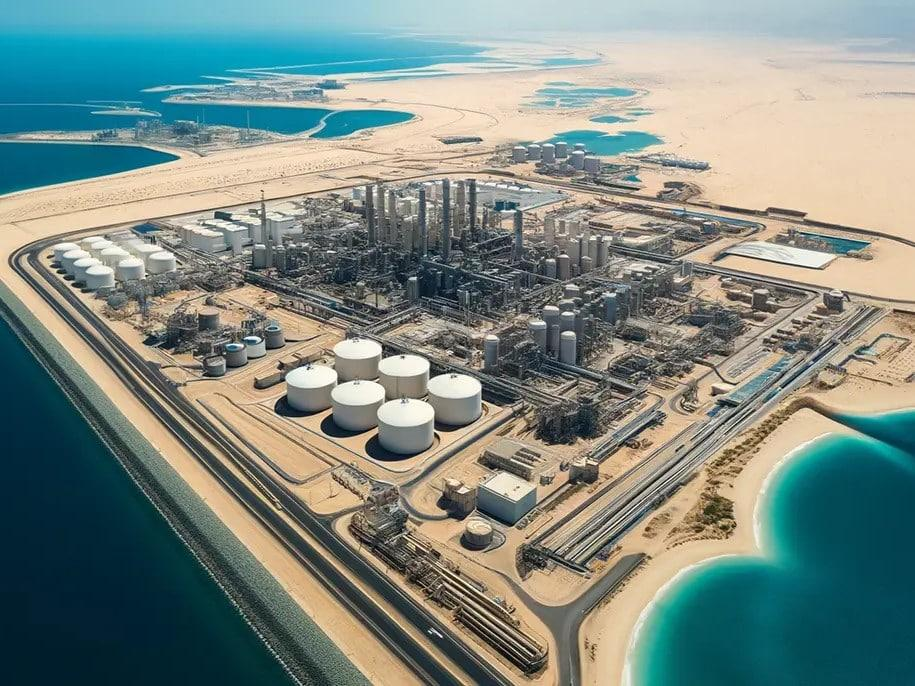
The report notes that a drone attack attributed to Iran on a Bahraini desalination facility—responsible for more than 90% of the country’s drinking water—illustrates the region’s heavy reliance on critical water infrastructure.
It also references earlier strikes on Iranian desalination facilities allegedly involving the United States or Israel, alongside reported threats by Donald Trump to target dozens of Iran’s desalination plants.
Brookings adds that even without direct attacks, rising energy costs linked to the conflict significantly increase the cost of desalinated water production in Gulf states. It also warns that water systems are increasingly vulnerable to cyberattacks, a concern recently raised by U.S. officials.
Structural water crisis
The report stresses that water scarcity in the Middle East is not solely conflict-driven. Climate change, higher temperatures, reduced rainfall, over-extraction of groundwater, and weak governance structures are all worsening the crisis.
The World Bank estimates that water scarcity could reduce regional GDP by 6% to 14% by 2050.
Countries such as Yemen, Lebanon, and Syria are identified as particularly vulnerable due to institutional weakness and limited financial capacity.
Post-conflict cooperation agenda
Brookings suggests that water security could become a central pillar of post-conflict regional cooperation, including:
- Joint investment in low-cost desalination technologies
- Development of drought-resistant agricultural systems
- New agreements for shared aquifer management, including the Neogene aquifer spanning Saudi Arabia, Iraq, and Kuwait
The report also highlights a potential role for both the United States and China in supporting regional water security reconstruction efforts.
Brookings concludes that without coordinated regional and international action, water scarcity will remain a persistent threat to peace and stability in the Middle East even after the end of conflict.