DID Press: Ministry of Foreign Affairs of the Islamic Republic of Iran has said that US claims of a “lasting commitment to the security of Gulf Cooperation Council states” amount to rhetoric and distortion of reality, arguing that American military presence in the region is a source of instability and division.
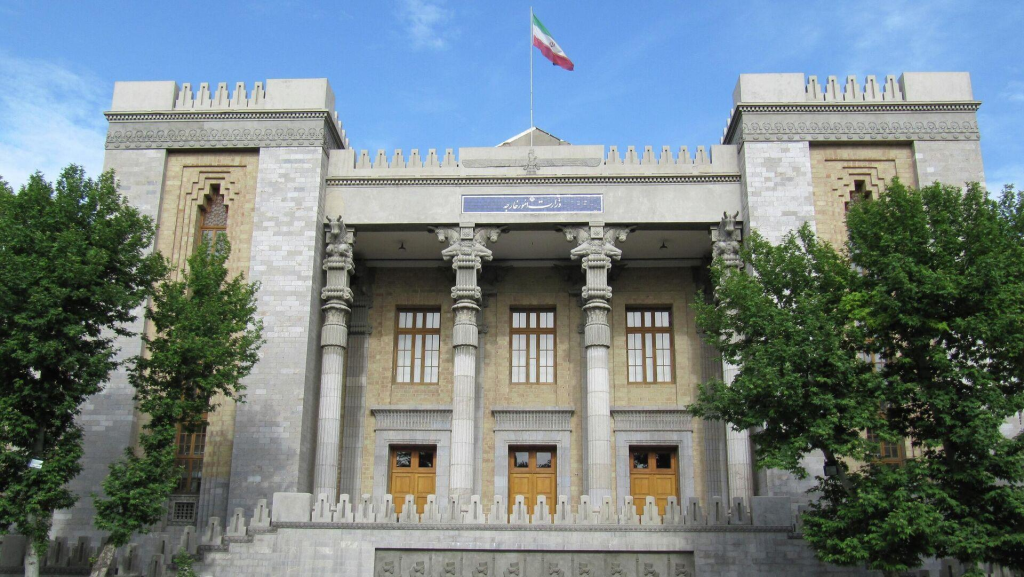
In a statement responding to a joint communiqué issued on 25 June 2026 by the United States and the foreign ministers of the Gulf Cooperation Council, the Iranian Foreign Ministry described the document as “interventionist, irresponsible, and provocative,” warning against continued “hostile and interfering behavior” in the region.
The statement said US military deployment in regional countries imposes costs on local populations and contributes to insecurity rather than stability. It further accused Washington of using regional bases and facilities to support military actions against Iran during what it described as a recent period of conflict involving US and Israeli forces.
Tehran called on GCC member states to reconsider their security policies and to prevent the use of their territories or infrastructure by third parties for planning or executing hostile operations against Iran, citing principles of international law and good neighborly relations.
The ministry also rejected what it called repeated “false narratives” regarding Iran’s nuclear program, describing it as peaceful in nature, and urged regional countries to support the creation of a nuclear-free zone in West Asia.
It further criticized references to “threats from Iran” in regional statements, calling them part of a broader campaign of “Iranophobia” promoted by the United States and Israel.
Iran also reiterated its opposition to labeling regional resistance groups in Palestine and Lebanon as “proxies,” stating that their activities against occupation are legitimate under international law.
The statement concluded by emphasizing that sustainable regional security can only be achieved through cooperation among regional states and without external intervention, warning that continued foreign military presence will deepen instability across West Asia.