WHO Warns of Worsening Humanitarian Crisis After Afghanistan Floods
DID Press: The World Health Organization (WHO) has warned of a deepening humanitarian crisis in Afghanistan following recent flash floods, saying widespread damage to homes, infrastructure, and health facilities has increased the urgent need for humanitarian assistance.
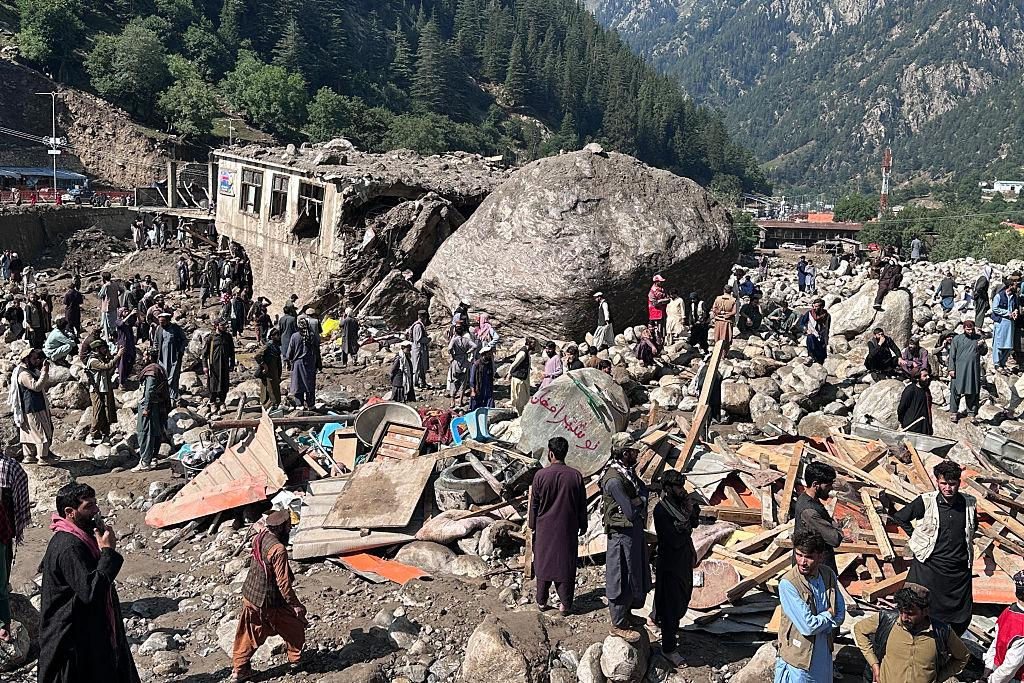
The WHO said sudden floods between July 20 and July 25 affected several Afghan provinces, causing significant destruction and worsening already fragile humanitarian conditions. The affected areas include Nuristan, Nangarhar, Laghman, Paktika, Paktia, Khost, Ghazni, Kabul, Kapisa, Panjshir, Parwan, Logar, and Maidan Wardak provinces.
The heaviest damage was reported in Parun city, the capital of Nuristan province, where the WHO said at least 23 people were killed, five remain missing, and 125 others were injured. The agency’s assessment showed that floods severely damaged homes, public facilities, and sources of income, increasing the immediate need for emergency support.
In Kabul and neighboring provinces, hundreds of families have been affected, with significant damage reported to residential areas and community assets. The WHO said destruction of roads and infrastructure in areas including Mohammad Agha district in Logar, Ghorband in Parwan, and parts of Kabul has disrupted access to essential services, particularly healthcare.
According to United Nations assessments, floods in southeastern Afghanistan have also damaged homes, agricultural land, and public infrastructure while causing casualties. In Paktika, 26 houses were destroyed and two people were killed, while two children lost their lives in Paktia. Significant damage to farmland, roads, and water systems has also been reported in Khost and Ghazni.
The WHO warned that the consequences of the floods extend beyond immediate destruction and could have long-term effects on food security and livelihoods, especially for communities dependent on agriculture. Damage to drinking water systems has also increased the risk of waterborne diseases.
The organization said it has activated emergency coordination mechanisms and, alongside humanitarian partners, has begun rapid needs assessments and the distribution of emergency supplies. However, shortages of medical resources, damaged health facilities, and difficult access to mountainous areas continue to create major challenges for relief operations.
The WHO emphasized the need to strengthen healthcare services, provide safe drinking water, establish temporary shelters for displaced families, and expand disease monitoring. The agency warned that continued rainfall could further worsen the humanitarian situation in the coming days.