DID Press: Physical crude oil prices have risen above $130 per barrel as disruptions to tanker traffic and sharply reduced oil flows through the Strait of Hormuz continue to put pressure on global energy markets. Recent market reports indicate that physical and spot prices have diverged significantly from futures prices.
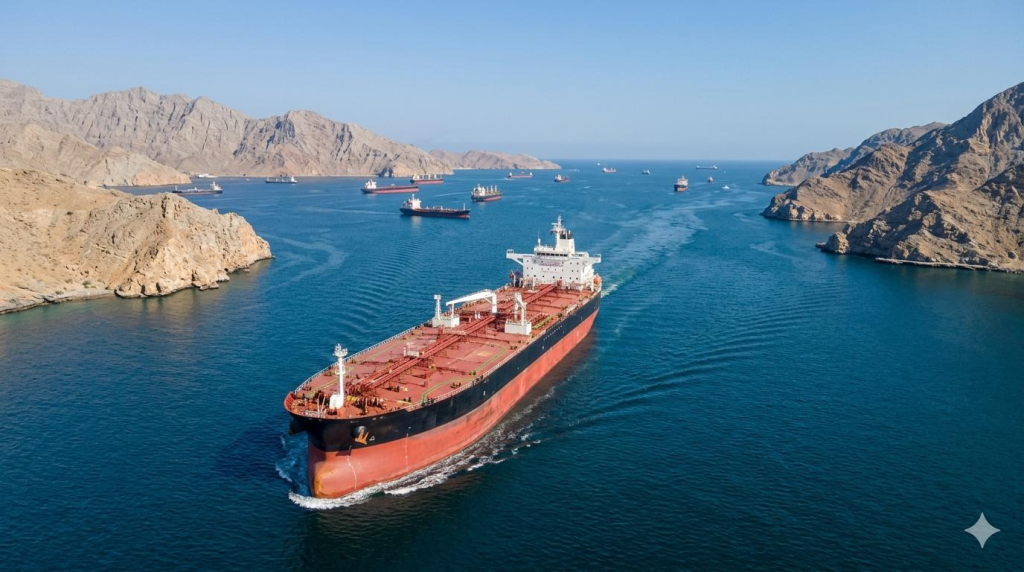
According to the U.S. Energy Information Administration (EIA), oil and petroleum-liquid flows through the Strait of Hormuz averaged 4.9 million barrels per day in the second quarter of 2026, down from 21.6 million barrels per day in the fourth quarter of 2025. This represents a decline of about 77%.
The EIA said crude oil and condensate accounted for about 3.7 million barrels per day of the 4.9 million barrels moving through the strait during the second quarter, while petroleum-product flows averaged about 1.1 million barrels per day.
At the same time, China’s crude oil imports declined sharply. EIA data show that China imported about 8.1 million barrels per day in the second quarter, 32% below the previous quarter, with imports in May and June falling below 8 million barrels per day.
The disruption has heightened concerns over global oil supplies and refined petroleum products. Saudi Aramco has reportedly sought to maintain exports from Gulf ports through ship-to-ship transfers at Oman’s Sohar port, helping offset disruptions elsewhere.