Pakistan Airstrikes Expose Gaps in Taliban’s Security Claims
DID Press: Recent Pakistani airstrikes on targets in Afghanistan’s Kandahar, Paktia and Khost provinces have raised questions about the Taliban’s ability to defend Afghan territory against external military threats. The strikes, including attacks in Kandahar—the Taliban’s main political and religious center and the location of Supreme Leader Hibatullah Akhundzada—suggest that tensions between Islamabad and Kabul have moved beyond limited border clashes toward direct attacks on areas considered central to the Taliban’s power structure.
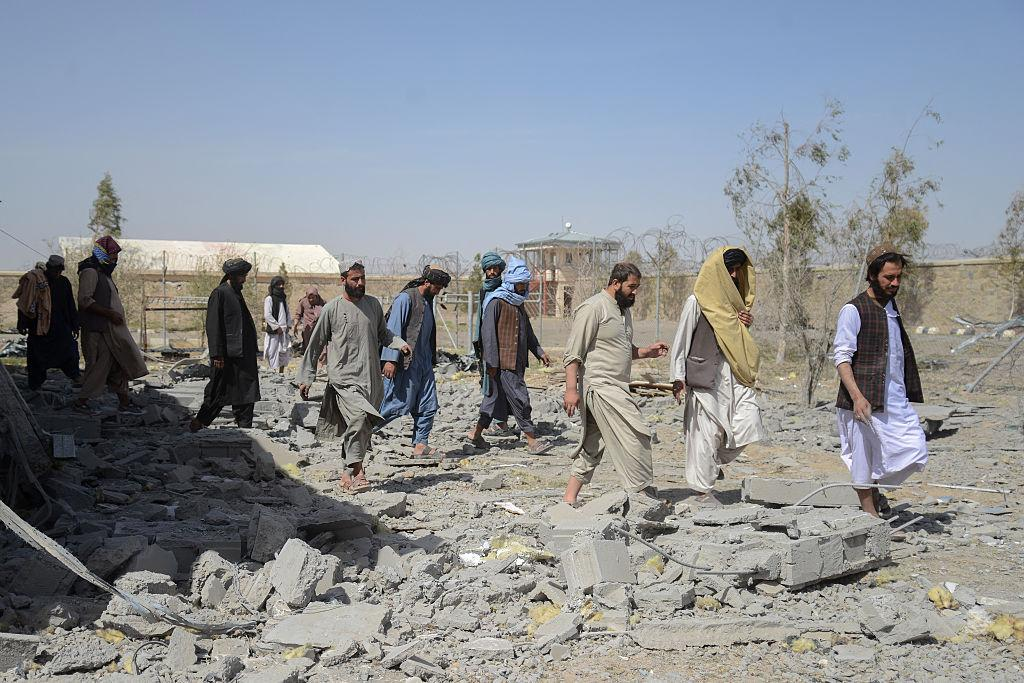
The strikes came only days after reported Pakistani attacks in Kunar and Paktika, amid growing concerns over the recurrence of cross-border military operations inside Afghanistan.
According to the report, Pakistan has carried out at least 15 air and drone strikes in different parts of Afghanistan over the past year, including in Kabul, Kandahar, Nangarhar, Khost, Paktia and Paktika. The report identifies the bombing of the Omid drug-treatment center in Kabul as the deadliest incident, claiming that 269 civilians and patients were killed. Those casualty figures and the circumstances of the incident should be independently verified against available international reporting.
The attacks have prompted questions about the Taliban’s long-standing claims of nationwide security and protection of Afghanistan’s territorial integrity. The report argues that the Taliban’s responses have largely consisted of official statements, accusations against Pakistan and promises of a response at an unspecified time.
The analysis further argues that the Taliban’s military structure, historically shaped by guerrilla warfare and asymmetric operations, has significant limitations when facing an adversary equipped with modern air power. It points to the absence of an effective air-defense capability and Afghanistan’s international isolation as factors limiting the Taliban’s ability to deter or counter Pakistani air operations.
Another major source of tension is Pakistan’s longstanding allegation that the Tehrik-e-Taliban Pakistan (TTP) operates from Afghan territory. Islamabad has repeatedly demanded that the Taliban take action against the group, while the Taliban denies allowing Afghan territory to be used against other countries.
The report argues that the Taliban leadership faces a difficult balance between its political and ideological positions and the responsibilities of governing a state capable of defending its territory. It also warns that continued confrontation could expose Afghan civilians and infrastructure to further military operations.
The latest strikes therefore add another dimension to the continuing dispute between Kabul and Islamabad: alongside the political and security dispute over militant groups, the confrontation is increasingly testing the Taliban’s ability to protect Afghan airspace and territory from external attacks.
By Sayed Baqer Waezi — DID News Agency