Afghanistan’s Shia Religious Space Faces Growing Restrictions Under Taliban
DID Press: The repeated closure of religious, cultural, educational and service institutions associated with Afghanistan’s Shia community is raising concerns about increasing restrictions on the community’s social and religious activities.
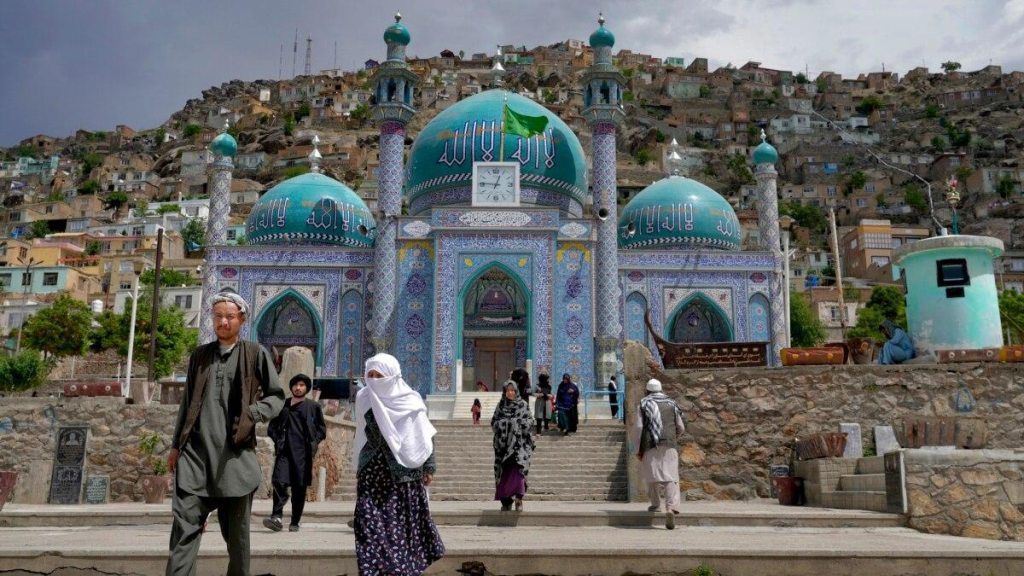
The closures of institutions including Tabyan and the Fatima al-Zahra Clinic in western Kabul, alongside previous restrictions on larger complexes such as Khatam al-Nabieen and Khatam al-Anbia, have affected organizations that have played roles in education, healthcare, cultural activities and religious life.
The developments have also raised questions about transparency and the legal basis for the closures. Taliban authorities have cited issues including land ownership and alleged activities inconsistent with government policies in some cases, but affected institutions and members of the community have questioned the procedures and explanations provided.
Under the principle of rule of law, the closure of educational, cultural or religious institutions would ordinarily be expected to follow transparent procedures and provide affected parties with avenues to challenge the decisions. The absence of publicly accessible documentation or clear procedures has contributed to concerns among members of the Shia community.
The restrictions could also have broader social consequences. Religious and cultural institutions can serve as community networks, provide education and healthcare, and contribute to social cohesion. Their weakening could increase perceptions of discrimination and deepen social and religious divisions.
Afghanistan’s Shia community forms part of the country’s longstanding religious, cultural and social fabric. Continued restrictions on its institutions could therefore affect not only the community itself but also wider debates over religious pluralism, citizenship rights and social cohesion.
The author describes the developments as a form of “silent exclusion,” arguing that limiting religious, cultural and civil institutions without publicly stated and consistently applied legal procedures could contribute to greater mistrust and social alienation.
The article concludes that transparency, equal treatment, respect for religious rights and recognition of Afghanistan’s social diversity are central to addressing concerns surrounding the restrictions.
By Mohsen Mowahed | DID News Agency