Iran’s Transit Routes Seen as Vital for Afghanistan’s Winter Fuel Supply
DID Press: As autumn 2026 advances and Afghanistan approaches another harsh winter, securing energy, fuel and food supplies has once again become a major concern for households, traders and economic stakeholders across the country.
Recent warnings from international aid organizations and the United Nations about the risk of a severe humanitarian crisis this winter underscore the challenges ahead.Afghanistan needs reliable, secure, predictable and sustainable transit routes more than ever to maintain essential services and livelihoods.
In the view of some experts, Iran’s strategic geographical position could make it a crucial lifeline for Afghanistan as it confronts the coming winter crisis.The difficult experiences of recent years have shown Afghan traders and ordinary citizens how sudden, politically driven and unexpected closures of eastern and southern border crossings with Pakistan can rapidly push up the prices of diesel, gasoline and liquefied petroleum gas (LPG) in markets across Kabul, Herat, Kandahar and Mazar-i-Sharif. The consequences of diplomatic disputes, the article argues, ultimately fall most heavily on poorer households.
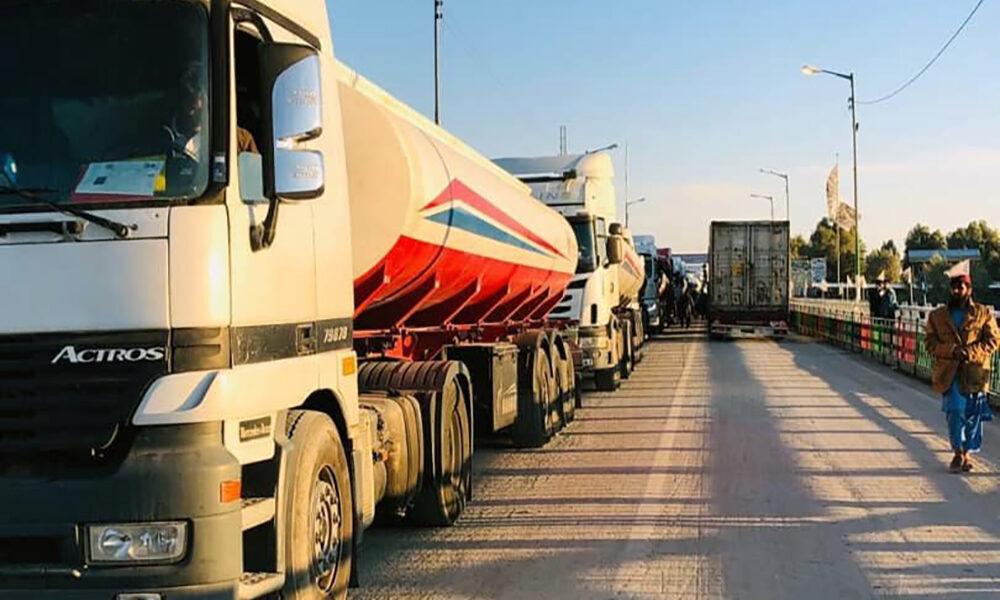
In such recurring situations, continued direct fuel exports from Iran, alongside transit arrangements for petroleum shipments originating in other areas—including Iraq’s Kurdistan Region and Gulf countries—have helped supply Afghanistan’s domestic markets and reduce the risk of severe price shocks and fuel shortages.For Afghan businesses and ordinary citizens, the regular, uninterrupted movement of fuel tankers through key border crossings such as Dogharoun, Milak and Mahirud is more than a commercial exchange between private companies. It is closely tied to the well-being, health and heating needs of millions of households during the freezing winter months ahead.
With traditional heating fuels such as firewood, coal and shrubs becoming increasingly expensive or scarce in Afghanistan’s central and northern provinces, delays in the arrival of fossil fuels could place additional pressure on already struggling families.
The smooth and continuous movement of fuel tankers across Iran’s western border routes could therefore provide significant relief to Afghanistan’s social and economic conditions, the article says.Beyond the humanitarian dimension, the transit cooperation is presented as an example of regional economic integration.
Iran’s geographical position enables it to serve as a transit and energy hub, helping maintain supply chains for essential goods even amid severe political tensions. When fuel and basic commodities reach Afghan customs posts through Iran’s road and rail networks at reasonable transport costs and with reliable road security, the article argues, they can help stabilize domestic markets while strengthening economic ties between the two countries.
However, based on challenges reported by traders and drivers, the article argues that these routes could operate more efficiently if administrative and border procedures on both sides were streamlined. Key priorities for Afghanistan’s private sector include speeding up customs clearance, improving quality-testing facilities at border crossings, providing temporary storage warehouses and fuel tanks, and facilitating the movement of transport fleets through border terminals.
Such measures would help fuel supplies reach Afghanistan more quickly and efficiently before severe freezing conditions set in and domestic roads become inaccessible, according to the article.The author argues that helping Afghanistan weather its harsh, mountainous winters without major disruption would be extremely difficult without active economic diplomacy, humanitarian considerations and sustainable transit through Iran.
From this perspective, Iran’s role in supplying and transporting energy represents not merely a matter of trade figures, but also a symbol of neighborly relations and longstanding cultural and linguistic ties between the two peoples.The article concludes that strengthening transit cooperation and removing practical barriers could help prevent a humanitarian and livelihood crisis in eastern Iran’s neighboring country, while demonstrating how closely the security, prosperity, stability and development of Iran and Afghanistan are interconnected.
By Sayed Baqer Waezi | DID News Agency