EU Condemns Restrictions on Afghan Girls’ Education and Warns of Cultural Heritage Trafficking
DID Press: European Union has condemned human rights violations in Afghanistan, called for the immediate lifting of restrictions on women and girls, and reaffirmed its support for education, independent media and the country’s cultural heritage.
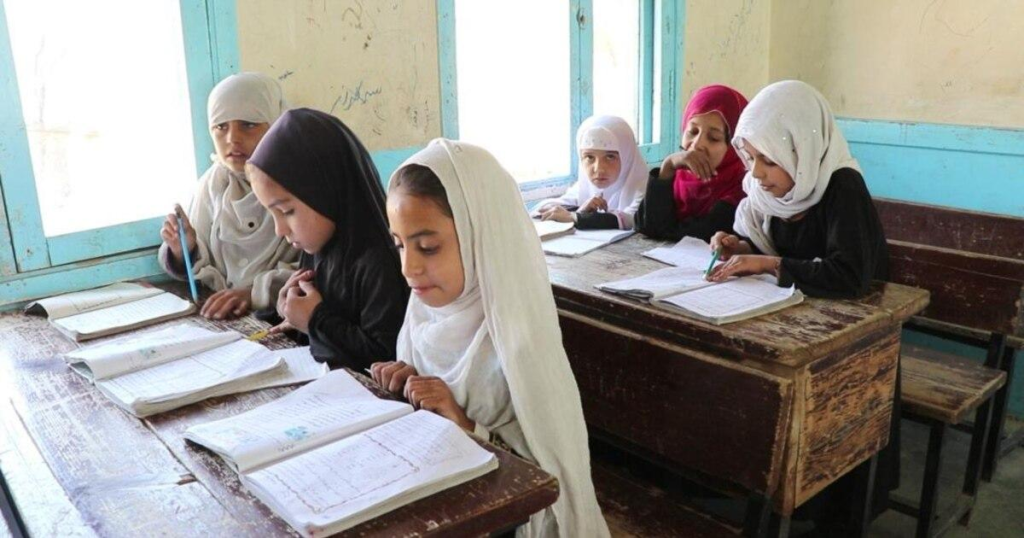
In a statement delivered at the 225th session of the Executive Board of the United Nations Educational, Scientific and Cultural Organization (UNESCO), the EU said the human rights situation in Afghanistan, particularly the rights of women and girls, had deteriorated further in 2026.
“The European Union strongly condemns human rights violations and abuses in Afghanistan, particularly the Taliban’s severe gender-based discrimination against women and girls,” the statement said.
The EU noted that more than 2.2 million Afghan girls have been affected by the ban on education beyond grade six. It described Afghanistan as the only country where girls are barred from continuing formal education beyond primary school and called for the unconditional reversal of these restrictions. UNESCO has also highlighted the scale of the education ban, reporting that millions of Afghan girls remain excluded from secondary education.
While welcoming UNESCO’s efforts to provide alternative learning opportunities for Afghan women and girls, the EU stressed that such programmes cannot replace formal, inclusive and high-quality education.
The statement also highlighted the EU’s €4.7 million contribution to a UNESCO programme launched in 2025 to expand economic opportunities through vocational training, skills development and community-based literacy initiatives. The programme is intended to help young people and adults, including returnees and members of host communities, develop practical skills and improve their livelihoods.
The EU further pledged continued support for independent media, civil society organizations, human rights defenders and women’s rights activists in Afghanistan. It identified freedom of expression, journalists’ safety and media literacy as key priorities.
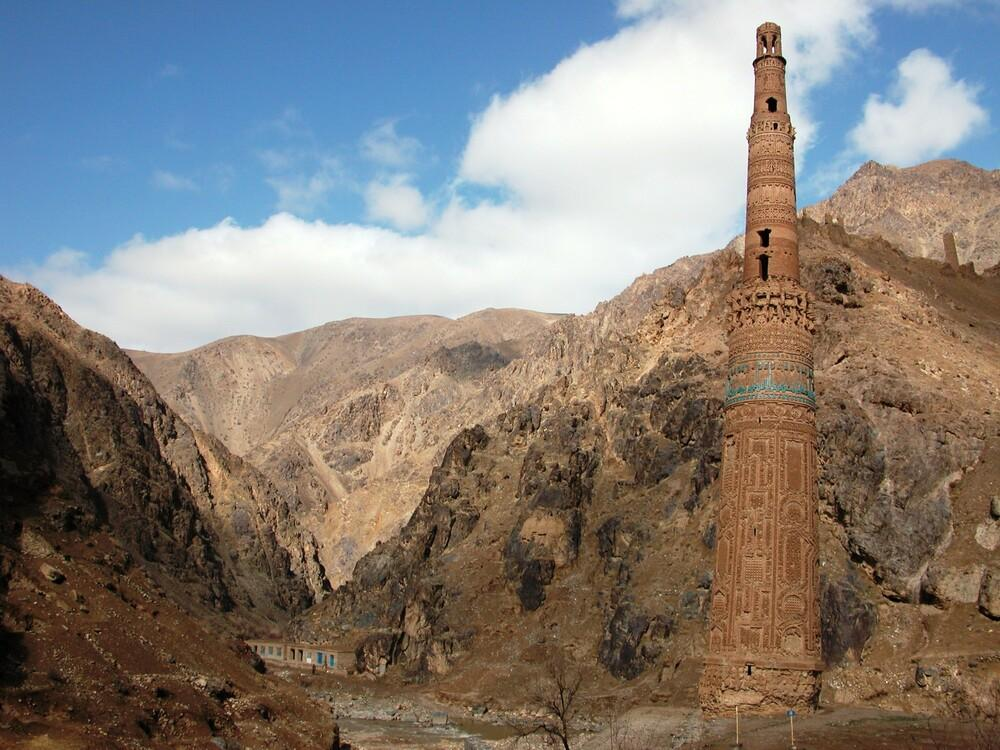
The statement also raised concerns about growing threats to Afghanistan’s cultural heritage, including illegal excavations and the trafficking of cultural objects. It expressed concern about the security and livelihoods of cultural-sector workers, particularly women.
The EU welcomed UNESCO’s activities in Afghanistan and viewed the extension of the United Nations Strategic Framework for Afghanistan through 2030 positively. It reiterated its commitment to continued financial support and cooperation aimed at assisting the Afghan people.