DID Press: Amid rising regional tensions and unpredictable advances by Yemen’s Ansar Allah movement in its conflict with Saudi Arabia, senior officials from Saudi Arabia, Pakistan and Türkiye, members of the Mecca Pact, are scheduled to meet in Tehran on Monday, October 26.
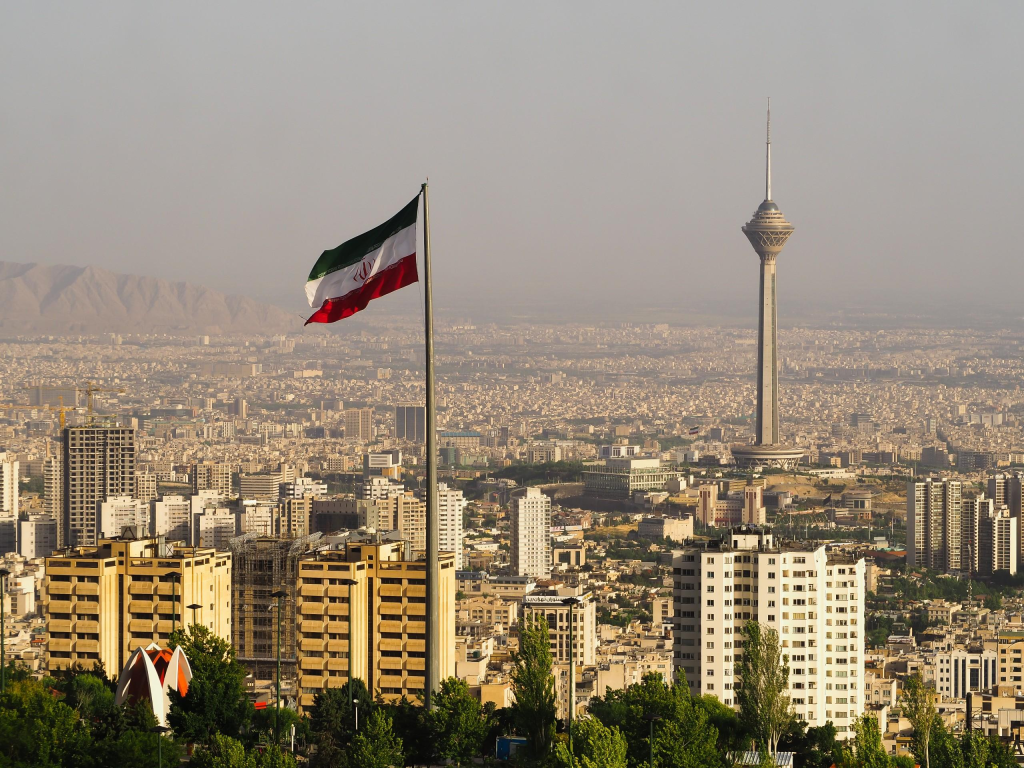
The meeting is emerging as a major diplomatic initiative to contain and manage the region’s security crisis following the failure of military alliances and coalition-building efforts by these countries against Yemen’s Ansar Allah movement. It is therefore seen as an important test of the capacity of regional diplomacy.
The Mecca Pact members’ turn toward diplomacy is significant because their strategic cooperation centres on defence coordination and protecting one another’s sovereignty and territorial integrity. This has raised questions about how the pact’s commitments relate to its members’ relations with Iran.
One key factor behind the shift by pact members—particularly Saudi Arabia, which hosts the arrangement—from military and security coordination toward diplomatic engagement with Tehran is the recognition that defence arrangements alone are insufficient to manage security threats. Alongside strengthening military cooperation with Pakistan and Türkiye, Saudi Arabia still needs to reduce the risk of direct confrontation and prevent the crisis from spreading. Achieving these goals requires dialogue and diplomatic engagement.
However, holding a meeting in Tehran does not in itself resolve the fundamental disagreements between Iran and Saudi Arabia. Its outcome will depend on the parties’ willingness to accept practical commitments and pursue lasting mechanisms for cooperation.
The participation of Pakistan’s army chief also highlights Islamabad’s dual role in its relations with Iran and Saudi Arabia. On one hand, Pakistan is a member of the Mecca Pact and maintains defence cooperation with Riyadh. On the other, it seeks to preserve its capacity to communicate and mediate between Tehran and regional actors. While success in this role could strengthen Pakistan’s diplomatic standing, it also exposes Islamabad to competing pressures.
Türkiye, alongside Pakistan, is also seeking to use its participation in the process to balance its defence commitments with the need to maintain channels of communication with Tehran.
Beyond the Mecca Pact’s objectives and the motivations behind sending senior representatives to Tehran, their presence in the Iranian capital underscores Iran’s significant role in both the military and security arenas and regional diplomacy. The article argues that the region’s present and future security order cannot be defined or implemented without engagement with Tehran.
By Mohsen Mowahed | DID News Agency