Afghanistan War: Western Failure and London’s Silence 25 Years On
DID Press: As the 25th anniversary of the US-led invasion of Afghanistan approaches, British magazine The Critic has criticised the UK government’s silence over the anniversary, describing the 20-year war as an almost complete failure. The magazine has also warned about the human cost of the conflict, the fragility of Western alliances and the failure to account for Afghanistan’s social realities.
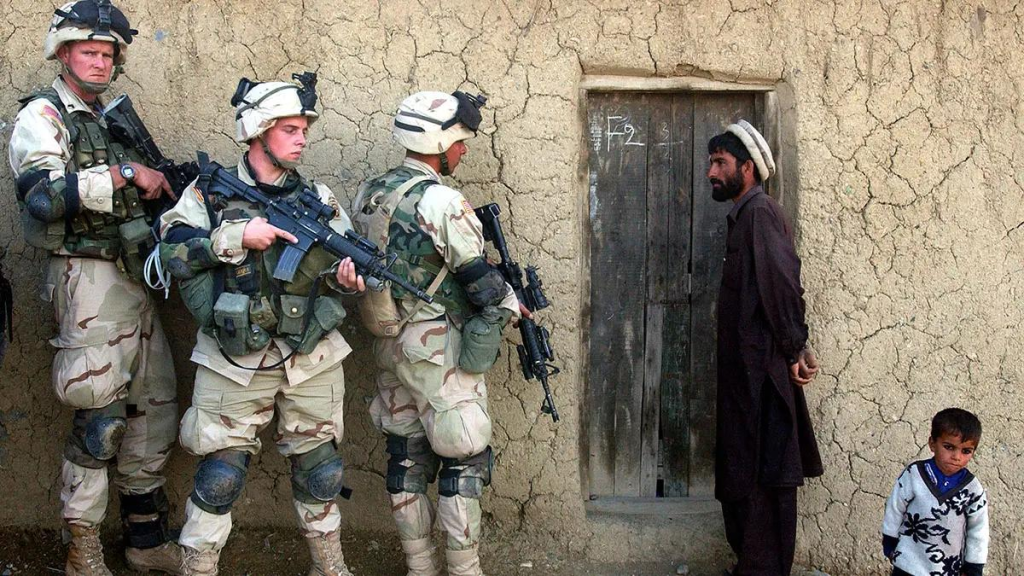
Ben Sixsmith, a writer for The Critic, noted that 457 British military personnel died during the Afghanistan war. He wrote that despite 25 years having passed since the invasion began, the British government and media had paid limited attention to the anniversary.
According to Sixsmith, the 2001 invasion disrupted al-Qaeda’s activities for a time but did not destroy the terrorist network. Meanwhile, the Taliban returned to power after 20 years. Citing the deaths of thousands of US military personnel and more than 100,000 Afghan military personnel and civilians, Sixsmith described the outcome of the war as almost a complete failure.
The writer identified three major lessons from the conflict: the fragility of geopolitical alliances, the failure to account for Afghanistan’s cultural and social differences, and the difficulty of building durable political institutions through military intervention. He argued that Western countries misjudged Afghan society’s capacity to adopt liberal and democratic institutions.
However, Sixsmith stressed that this assessment should not overshadow the achievements of Afghans between 2001 and 2021, particularly in education and women’s rights. He described the Taliban’s current ban on girls’ education as catastrophic.
Concluding his article, Sixsmith criticised the British government’s limited attention to commemorating those who died in the war. He emphasised that the failure of a military mission does not diminish the value of the sacrifices made by those who lost their lives.