Afghanistan Consulate in Mashhad Removes Persian from Appointment System
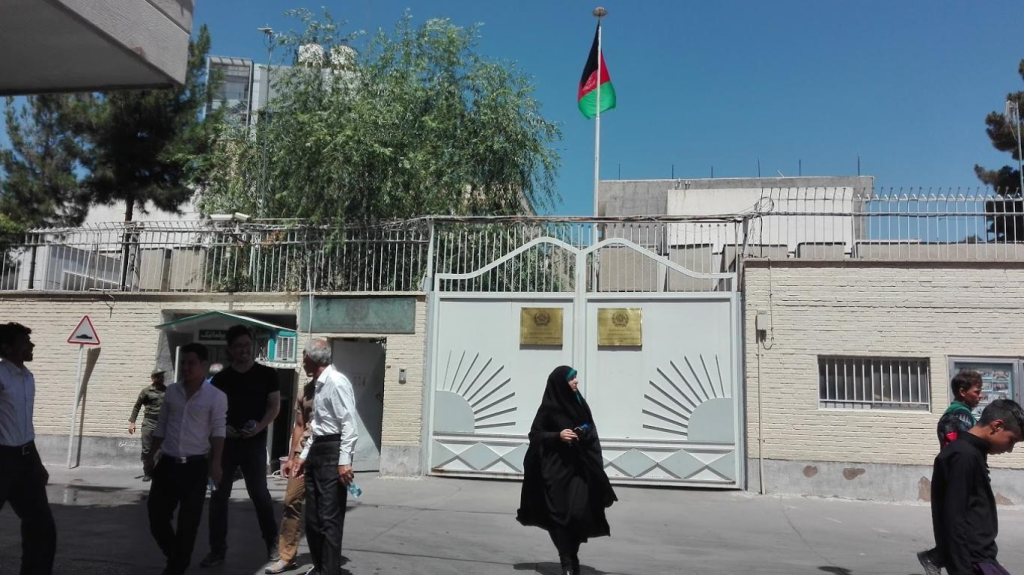
DID Press: Afghanistan Consulate in Mashhad, which operates under Taliban control, has removed Persian from the language options on its appointment-booking system after introducing a new website and web address for applications for special identity verification certificates. The change has made the application process more difficult for many Afghan migrants living in Iran.
The special identity verification certificate is issued to citizens who do not have an Afghan electronic national identity card (e-Tazkira). The document is valid for three years.
Under the previous appointment system, users could choose between Persian and Pashto. However, the Persian-language option has been removed from the new website and application form, leaving Pashto as the only available language.
The change comes as a large proportion of Afghan migrants living in Iran are Persian speakers. In addition, several questions on the new form require descriptive answers, making it difficult for Persian-speaking applicants to complete the process in Pashto. Some may therefore need assistance from a translator to submit their applications.
The removal of Persian from the online system of an Afghan diplomatic mission abroad, while creating an administrative obstacle for migrants, has also raised questions about the status of the Persian language in Afghanistan’s official missions under Taliban administration.
Observers regard the move as part of a broader process of marginalising Persian in official institutions and Afghanistan’s diplomatic missions abroad, and as reflecting the group’s wider approach towards cultures and languages other than Pashto.
The Taliban’s record regarding the Persian language, the source says, indicates a longstanding pattern of hostility towards the language and repeated efforts to push it to the margins whenever opportunities arise. The removal of Persian reportedly began with internal administrative correspondence and later extended to signs at educational institutions, including universities and schools. It has now reached the country’s diplomatic missions, with no apparent limit to its potential expansion.
Nevertheless, the historical experience of opposition to Persian in Afghanistan shows that exclusionary policies against the language and its literature have not weakened a language deeply rooted in the country’s cultural and social life. Instead, such measures have created new opportunities for its expansion and entry into broader fields.