DID Press: A new survey in Turkey shows that 51.6 percent of young people identify as religious or highly religious, while 24.7 percent say none of the political and ideological identities listed in the study represents them. The findings highlight the diversity of identity among Turkey’s younger generation and the growing distance of some young people from traditional political movements.
The Turkish Youth NGOs Platform (TGSP) has published the results of its 2026 study examining the identity, religious beliefs, lifestyles, and social and political views of young people in the country. The survey involved 8,103 participants aged between 15 and 30 and compared its findings with previous surveys conducted in 2020 and 2023.
According to the study, 21.5 percent of respondents identified as Atatürkists, 18.3 percent as nationalists, and 9.5 percent as Islamists or religiously oriented. Meanwhile, 8.2 percent identified with liberalism, 8 percent with conservatism, and 2.9 percent with secularism.
The findings also showed that 2.5 percent identified as Kurdish nationalists, 1.7 percent as social democrats, 1.5 percent as socialists, and 1.2 percent as Kemalists. However, 24.7 percent said none of the categories presented in the survey reflected their identity or ideological orientation.
Aydin Unal, a columnist for the Turkish newspaper Yeni Şafak, highlighted that Atatürkists, secularists and Kemalists together account for 25.6 percent of young respondents. He argued that this figure indicates the limited success of Atatürkism-based identity formation among Turkey’s younger generation.
Unal noted that symbols and teachings associated with Mustafa Kemal Atatürk are widely present in Turkey’s education system, public spaces, media, social networks, government buildings and official ceremonies. However, he argued that such extensive exposure has not persuaded a large proportion of young people to adopt this identity.
He described the findings as evidence of a growing distance from attempts to impose a particular identity on younger generations, arguing that extensive efforts to shape their ideological outlook have not produced the expected results.
Religious Identity Remains Significant Among Young Turks
Another section of the survey examined religious beliefs among young people in Turkey.
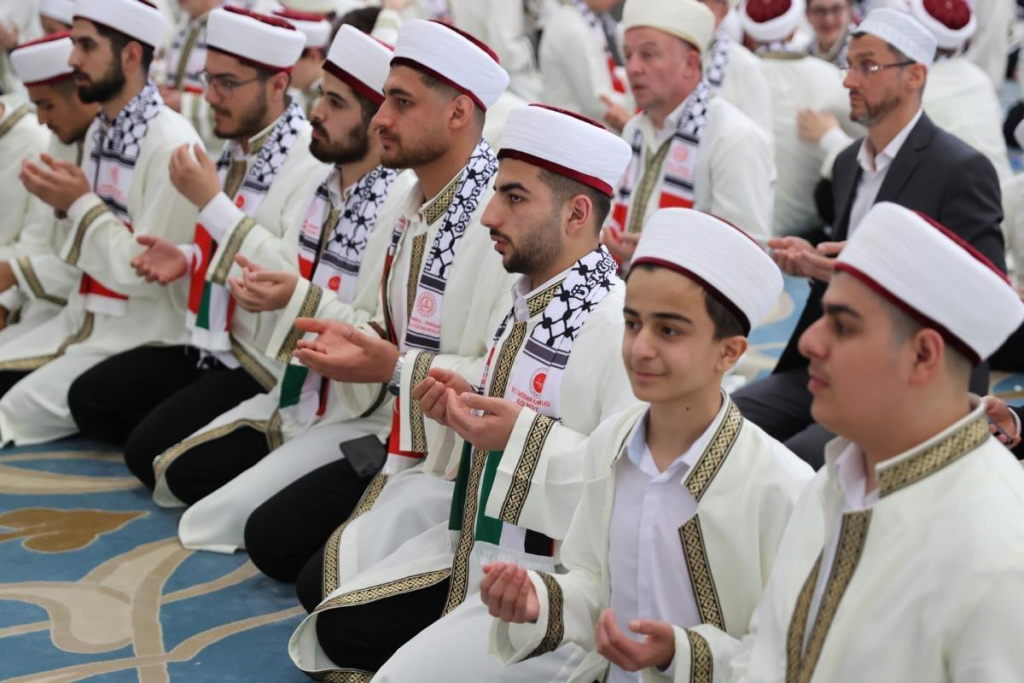
According to the findings, 13.8 percent of respondents described themselves as “highly religious,” while 37.8 percent identified as “religious,” bringing the combined figure to 51.6 percent.
By contrast, 39.2 percent said they were neither religious nor non-religious, 6.2 percent identified as non-religious, and 3.9 percent described themselves as completely non-religious.
According to Unal, the findings on religious identity show no significant differences from the 2020 and 2023 surveys, suggesting that religion continues to hold an important place in the lives of a considerable proportion of Turkey’s younger generation.
In his overall assessment, Unal argued that the attitudes of Turkish youth should not be judged solely by the behaviour of groups visible in streets or on social media. He maintained that a large proportion of young people remain less visible in public life while continuing to adhere to their values and beliefs.
Unal also argued that young people in Turkey face ideological and cultural pressures from both domestic and international sources. He pointed to the influence of media outlets, organisations, celebrities, artists, singers and social media influencers in shaping the attitudes of younger generations.
Expressing optimism about the survey results, Unal said that despite a century of cultural and social changes, a considerable proportion of Turkish youth have maintained their connections with their religious and cultural roots.
He concluded by stressing the need for greater investment in younger generations, warning that encouraging survey findings should not lead to complacency or overconfidence, but rather to stronger planning, sustained efforts and greater attention to the needs of young people.