UN Envoy Calls for Progress in Afghanistan’s Political Process
DID Press: Raba Fatima, the United Nations Secretary-General’s Special Representative, has stressed the need for progress in Afghanistan’s political process following a two-day visit to Kandahar, saying that addressing many of the country’s challenges depends on advancing this process.
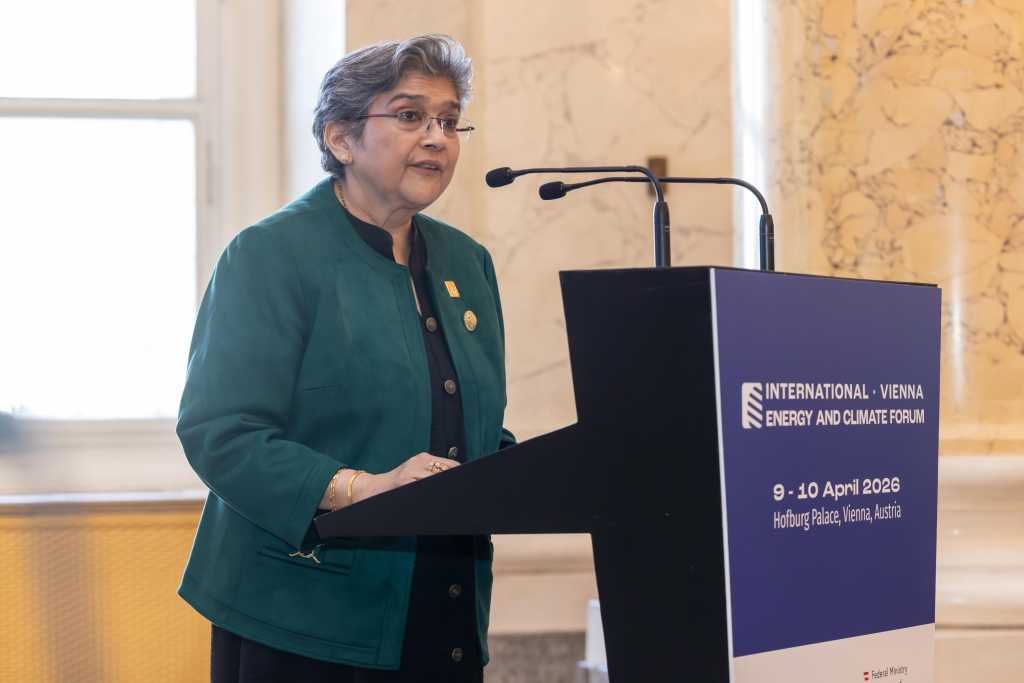
In a video message at the conclusion of her visit, Fatima said the United Nations remained committed to continuing its operations and providing humanitarian assistance to the people of Afghanistan. She said the UN was working to address challenges related to healthcare, water shortages, climate change, the energy crisis and private-sector development.
During the visit, the UN envoy met with local Taliban officials, including Kandahar’s deputy governor and the province’s chief spokesperson. She described the meetings as constructive and said they had discussed a range of issues and challenges facing Afghanistan.
Fatima also met with several women civil society activists and highlighted the importance of their advocacy work.
She separately addressed the situation of returnees, saying many had returned to Afghanistan after years abroad but no longer had roots or connections in the country and were facing serious difficulties finding employment.
According to Fatima, some returning families are in vulnerable situations, and their children also require extensive support. She stressed that assistance programmes should go beyond immediate humanitarian aid and include measures to secure sustainable livelihoods for these families.
The UN Special Representative also met with members of the Kandahar Chamber of Commerce and Investment to discuss economic opportunities and challenges facing the private sector, emphasising the need to identify practical solutions to overcome these obstacles.
She described the Doha Process, particularly its private-sector working group, as a platform for pursuing proposals and finding solutions to Afghanistan’s economic problems.
The UN representative’s call for progress in Afghanistan’s political process comes as international engagement with the Taliban continues to face serious challenges. The continuation of humanitarian assistance and efforts to address economic difficulties, without progress on political issues and citizens’ fundamental rights—particularly the rights of women and girls—cannot provide a basis for stability and sustainable development in Afghanistan. From this perspective, the political process can contribute to resolving the crisis only if it addresses the demands of the people of Afghanistan and ensures the genuine participation of different social groups.